
Master Control Center Of The Endocrine System

Meet Your Master of Ceremonies: The Pituitary Gland
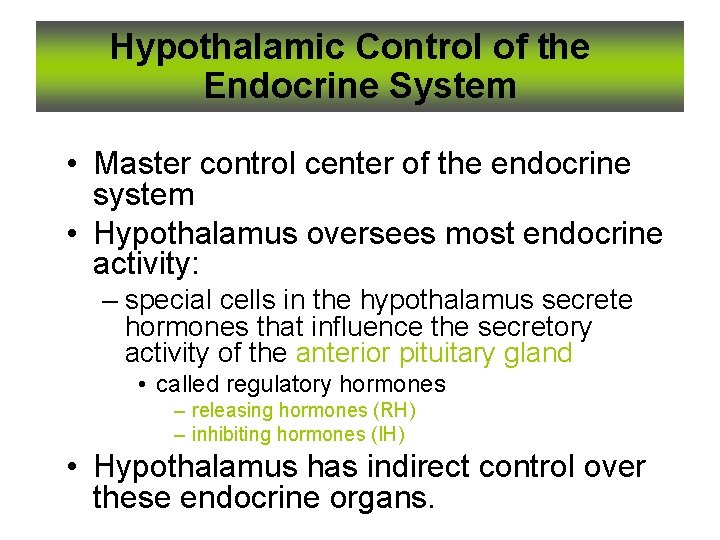
Ever felt like there's a tiny, mighty DJ in your body, keeping everything in sync? Well, there is! Nestled deep in your brain, right behind your nose, is the pituitary gland, the master control center of your endocrine system. It's like the ultimate party planner, releasing hormones that regulate growth, metabolism, and even your mood.
Pituitary 101
The pituitary, also known as the 'master gland,' is a pea-sized powerhouse that hangs out in the sella turcica, a bony saddle-shaped structure at the base of your brain. It's connected to the brain via a stalk, allowing it to receive signals from the hypothalamus, another brain region that acts as a control center for your body's automatic functions.
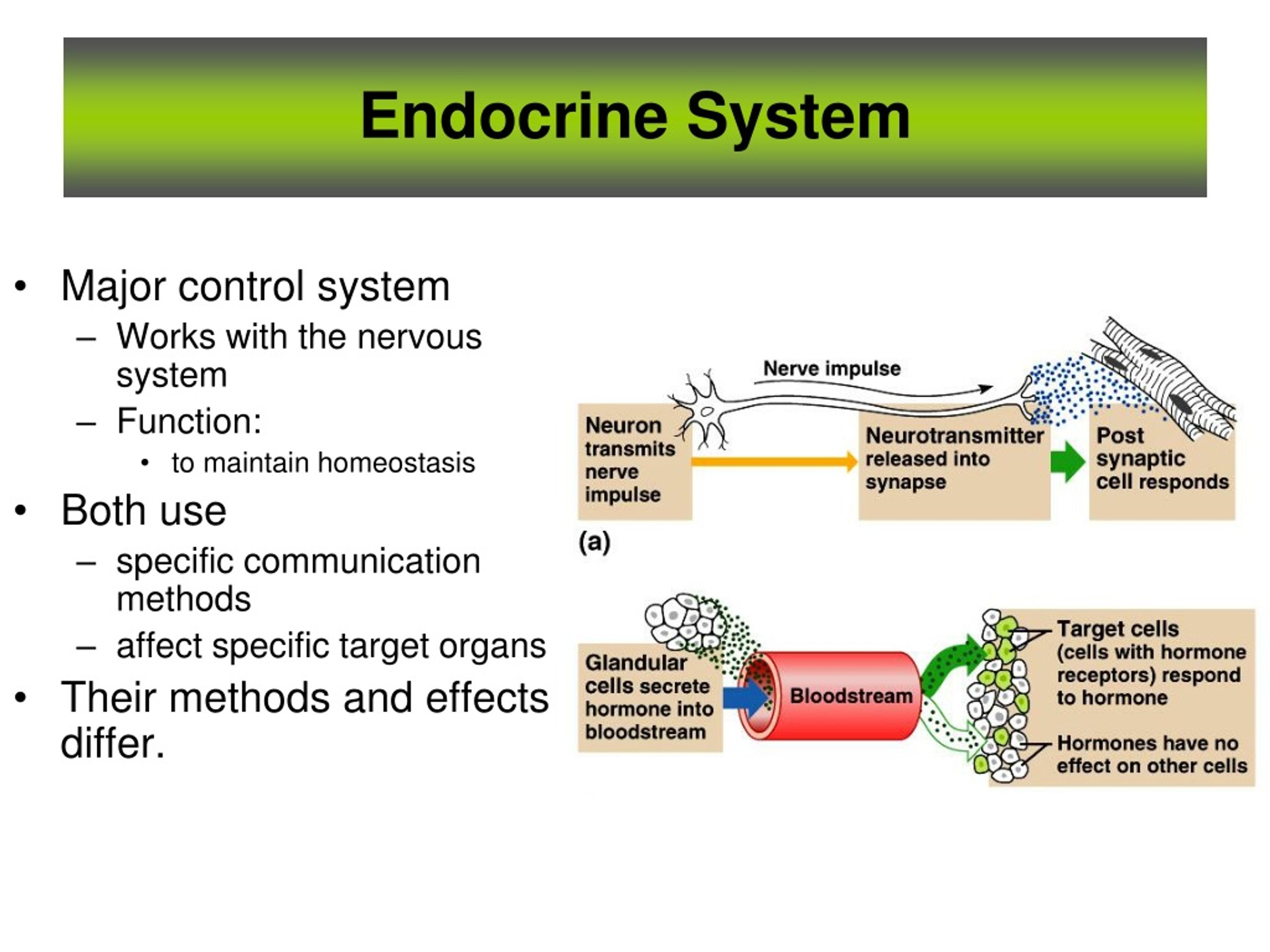
Think of the pituitary as the conductor of an orchestra. It listens to the hypothalamus' cues, then responds by releasing its own set of hormones into your bloodstream. These hormones, in turn, stimulate other endocrine glands to produce their own hormones, creating a complex, harmonious symphony that keeps your body running smoothly.
Must Read
Hormone Highlights
Growth Hormone (GH)
As the name suggests, GH plays a crucial role in growth and development. It stimulates the production of another hormone, insulin-like growth factor 1 (IGF-1), which promotes cell reproduction and growth. In simpler terms, GH helps you grow, from your bones to your muscles. It's like your body's personal trainer, making sure you're reaching your full potential.
Fun fact: GH is also known as somatotropin, derived from the Greek word 'soma' meaning 'body.' So, the next time you hit the gym, remember to thank your pituitary for its support!

Thyroid-Stimulating Hormone (TSH)
TSH is the pituitary's way of telling your thyroid gland to produce more hormones. These thyroid hormones, T3 and T4, regulate your metabolism, affecting how your body uses energy. In other words, TSH helps keep your metabolism humming along, ensuring you've got the energy to dance through life.
Did you know? The thyroid gland is shaped like a butterfly, hence its name, derived from the Latin 'thyreus' meaning 'shield.' Now you know why you can't resist busting a move when you hear your favorite tunes!
Adrenocorticotropic Hormone (ACTH)
ACTH is the pituitary's way of saying, 'Hey, adrenal glands! Let's pump up the cortisol!' Cortisol is a stress hormone that helps your body respond to stress, regulate metabolism, and control inflammation. It's like your body's own cheerleader, rallying you through challenging times.
When it comes to stress, it's all about balance. Too much cortisol can lead to issues like Cushing's syndrome, while too little can result in Addison's disease. So, it's essential to keep your stress levels in check and give your pituitary a well-deserved break.
Tips for a Happy Pituitary
Now that you know your pituitary is the ultimate party planner, here are some tips to keep it happy and healthy:
- Get enough sleep: The pituitary needs rest to function optimally. Aim for 7-9 hours of quality sleep per night.
- Exercise regularly: Physical activity stimulates the release of hormones that promote growth and well-being.
- Eat a balanced diet: A nutrient-rich diet supports overall health and helps maintain optimal hormone levels.
- Manage stress: High stress levels can disrupt your hormone balance. Practice stress-reduction techniques like meditation, yoga, or deep breathing exercises.
Reflection: The Symphony of Life
Your pituitary gland is a testament to the incredible complexity and harmony of the human body. It's a constant reminder that every action, every decision, every moment, is part of a larger symphony. So, the next time you feel a surge of energy, a boost of confidence, or a wave of calm, take a moment to appreciate your body's master conductor. After all, it's working tirelessly to keep your life's symphony playing in perfect harmony.