
What's The Difference Between Zinc And Zinc Picolinate
Ever found yourself standing in the supplements aisle, squinting at the labels, wondering what the difference is between plain old zinc and its fancy cousin, zinc picolinate? You're not alone, friend. Let's dive in, shall we?
Meet Zinc: The Mineral Superstar
Zinc, the original rockstar of the mineral world, has been around since, well, forever. It's a trace element, which means your body needs it in small amounts. But don't let its tiny quantities fool you - zinc is a powerhouse. It's involved in over 300 biochemical reactions in your body, from boosting your immune system to helping your senses of taste and smell.
You can find zinc naturally in foods like oysters (they're like little zinc powerhouses!), red meat, poultry, beans, and nuts. But sometimes, our diets don't cut it, and that's where supplements come in.
Must Read
Enter Zinc Picolinate: The New Kid on the Block
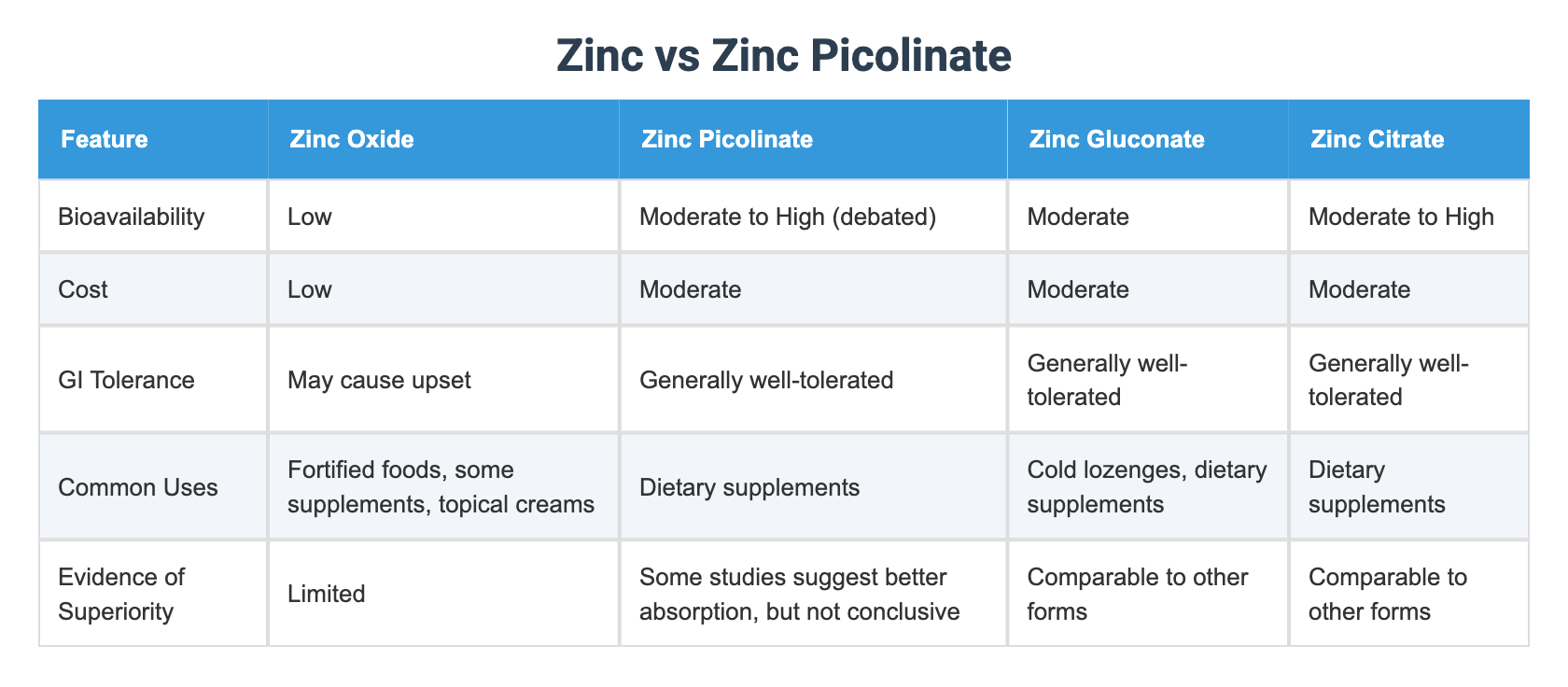
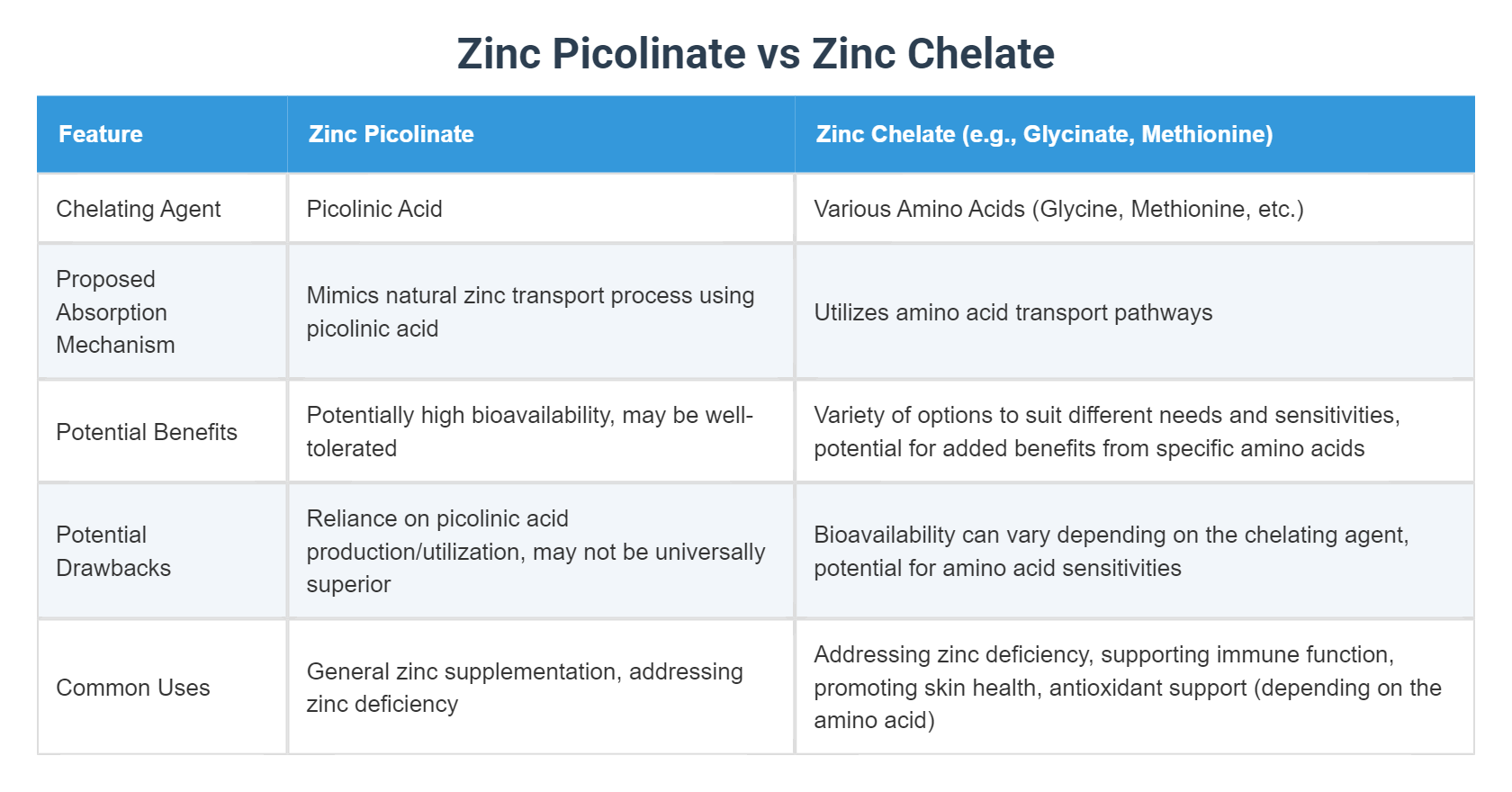
Zinc picolinate is essentially zinc that's been bonded with picolinic acid. This little union makes zinc picolinate more easily absorbed by your body. Think of it like a special delivery service for zinc - it gets the job done faster and more efficiently.
But here's the thing: while zinc picolinate might be easier to absorb, it's not necessarily better. It's just different. Some studies suggest that zinc picolinate might be more effective in treating zinc deficiency, but more research is needed to say for sure.
Fun Fact: Zinc and the Common Cold
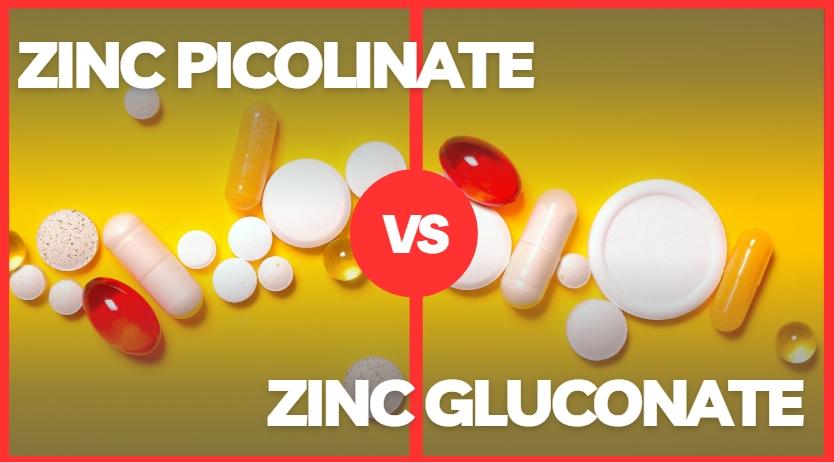
Zinc lozenges have been making waves in the cold and flu aisle for years. Some studies show that zinc can help reduce the duration and severity of a cold if taken within 24 hours of symptoms appearing. But here's the catch - it's all about the form of zinc. Zinc acetate and zinc gluconate seem to be the most effective forms for cold relief, not zinc picolinate.
Practical Tips: Which Zinc is Right for You?
So, how do you know which zinc to choose? Here are a few tips:
- Follow your doctor's advice. If you're looking to treat a specific condition, always consult your healthcare provider first.
- Consider your diet. If you're eating a balanced diet, you might not need a supplement at all. But if you're vegan or vegetarian, or have certain medical conditions, you might want to consider a zinc supplement.
- Start low, go slow. If you do decide to take a zinc supplement, start with a low dose and gradually increase if needed. This can help avoid any potential side effects like nausea or stomach cramps.
Zinc in Pop Culture: From Superheroes to Superfoods
Zinc has been making waves in pop culture too. In the Marvel Universe, Vibranium - the metal that makes up Captain America's shield - is said to be made from an alien metal with zinc-like properties. And in the food world, zinc-rich foods like oysters and lentils are often touted as superfoods.
But here's the thing: while zinc is amazing, it's not a magic bullet. A balanced diet and healthy lifestyle are still your best bet for overall wellness.
Reflection: Zinc and the Art of Balance
At the end of the day, the difference between zinc and zinc picolinate is all about balance. Both have their places in the world, and neither is universally 'better'. It's all about what works best for you, your body, and your lifestyle.
So, the next time you're standing in that supplements aisle, take a deep breath. You've got this. Read the labels, ask questions, and most importantly, trust your instincts. After all, you're the expert on you.