
Why Is Complementary Base Pairing Important In Dna Structure

Ever played with building blocks as a kid? You know, those colorful little bricks that click together to create castles, cars, or even a replica of the Eiffel Tower? Well, DNA's like that, but instead of plastic blocks, it uses something called complementary base pairing to build its amazing structures.
Meet the Base Buddies
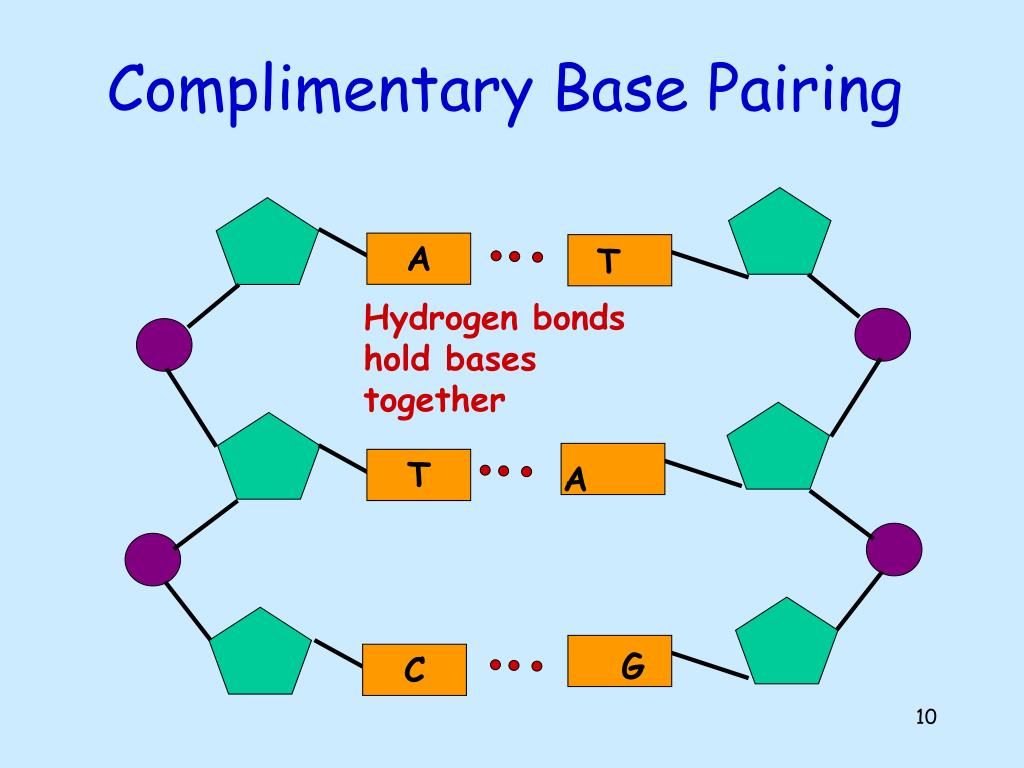
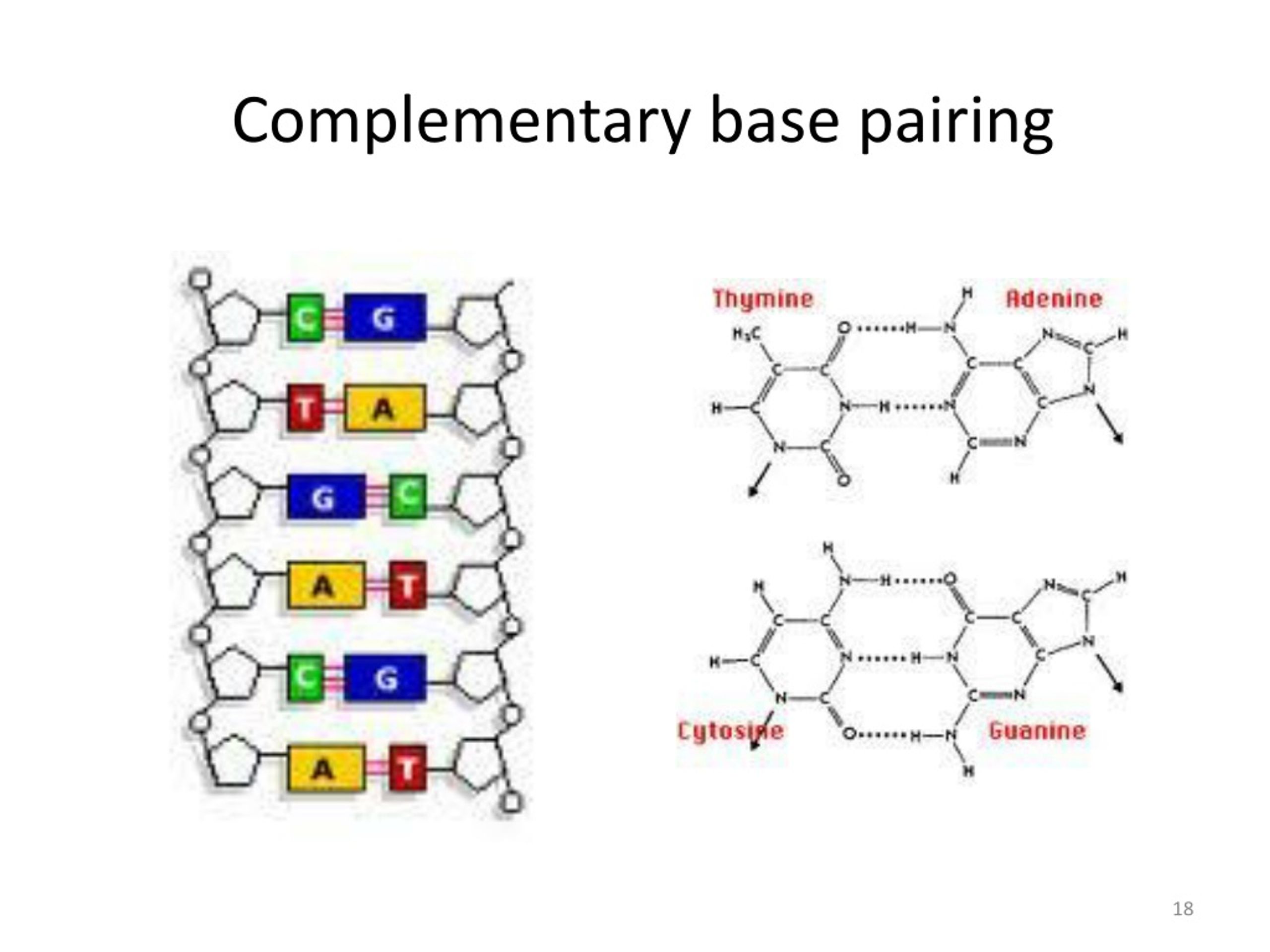
DNA's made up of four types of bases: Adenine (A), Thymine (T), Guanine (G), and Cytosine (C). They're like a squad of superheroes, each with their own unique powers. But here's the kicker - they only hang out with their best buddies:
- Adenine loves Thymine, and vice versa. They're like the dynamic duo of the DNA world.
- Guanine and Cytosine are also BFFs, always sticking together.
And get this, these pairs don't just hold hands and skip off into the sunset. They bind together, forming what's called a base pair.
Must Read
Like a Zipper for Molecules
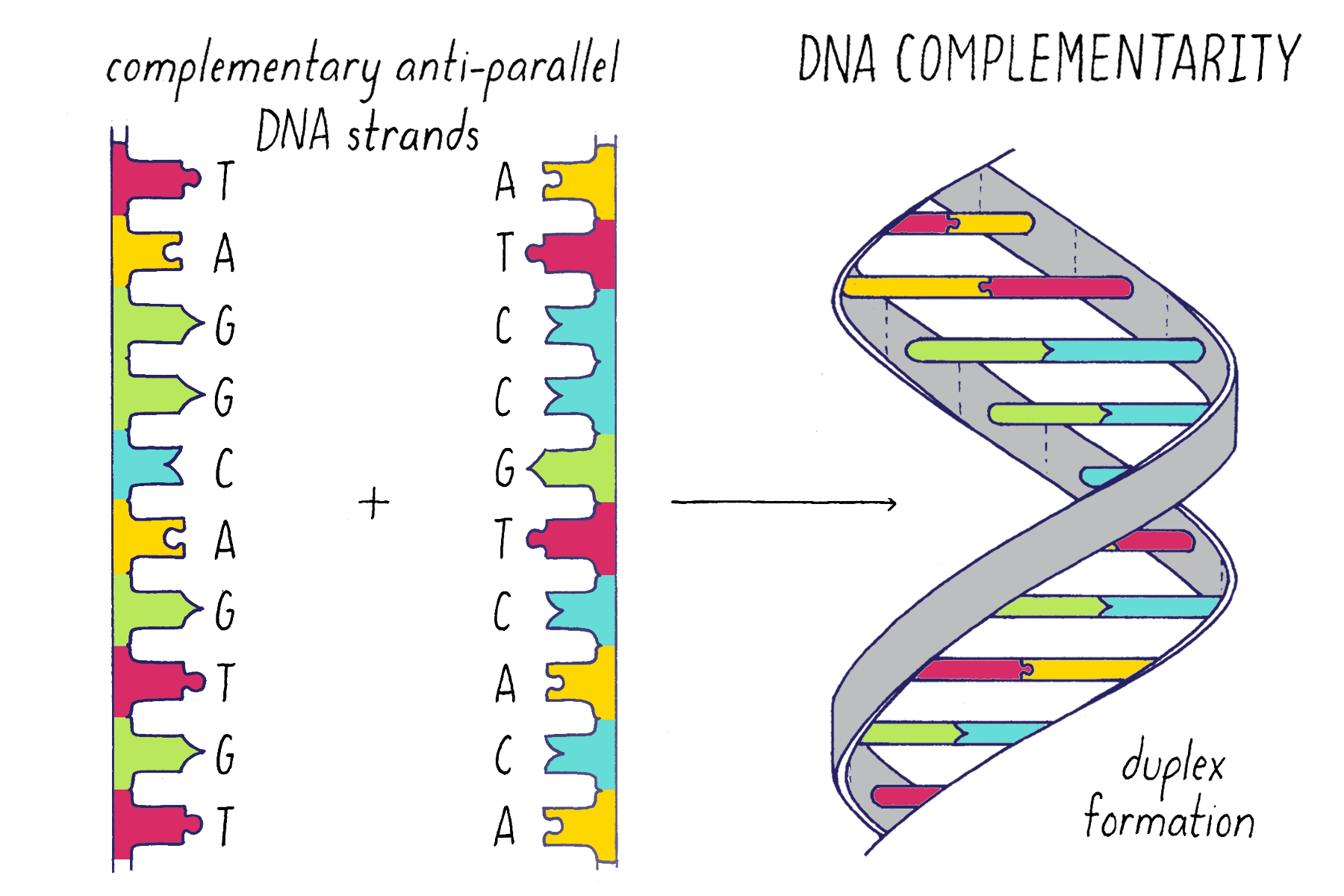
Now, imagine these base pairs as tiny zippers. When two strands of DNA meet, their base buddies start zipping up, creating a double helix structure. It's like they're saying, "Hey, let's stick together and make something amazing!"
This zipping process is what we call complementary base pairing. And it's not just about making DNA look pretty. It's crucial for DNA to do its job - storing all the info our bodies need to function.
But Why's It So Important?
Well, imagine if those building blocks from earlier didn't fit together properly. Your castle might end up looking more like a wonky tower of Jenga. That's kind of what happens when base pairing goes wrong.
You see, DNA's like a instruction manual for our bodies. Each set of base pairs (called a gene) codes for a specific protein. If the bases don't pair up correctly, the instructions get mixed up, and proteins might not work as they should. That can lead to all sorts of problems, from making you feel a bit under the weather to causing serious diseases.
So, complementary base pairing is like the quality control team at the DNA factory. It makes sure everything's fitting together just right, so our bodies can run smoothly.
When Things Get Weird
Now, you might be thinking, "That all sounds pretty straightforward. What could possibly go wrong?" Well, sometimes DNA likes to get a little... creative.
For instance, there's something called chimerism, where two different sets of DNA mix together. It's like when you mix blue and yellow paint, but instead of green, you get something completely new. In the world of DNA, that 'something new' can be a whole different organism!
And get this - some plants can even switch their base pairs around, like they're playing musical chairs. It's like they're saying, "Hey, let's try something different this time!" This can lead to all sorts of weird and wonderful plant variations.

So, Why Should You Care?
Well, understanding how DNA works can help us understand how our bodies work. And that can lead to all sorts of cool stuff, like new medicines, better ways to grow food, or even helping endangered animals.
Plus, it's just plain fascinating! DNA's like a secret language that our bodies use to talk to themselves. And complementary base pairing is like the translator that makes sure everyone's on the same page.
So, the next time you're feeling curious about the world, remember the base buddies. They might be tiny, but they're doing some pretty big stuff!