
The Perseid Meteor Shower Offers Peak Viewing Conditions This Year

You know, I've always been fascinated by the night sky. As a kid, I'd spend hours in my backyard, blanket wrapped around me, staring up at the stars. My mom would call out, "It's past your bedtime, stargazer!" But how could I resist? It's like the universe was whispering, "Look closer, there's more to see."
Fast forward a few decades, and not much has changed. I'm still that stargazer, but now I've got a fancy telescope, a thermos of hot chocolate, and a weather app to help me plan my late-night adventures. And guess what, fellow night owls? This year, the universe has something extra special in store for us.
The Perseid Meteor Shower: The Main Event
The Perseid Meteor Shower is like the superstar of the meteor shower world. Every August, it puts on a spectacular show, and this year, it's promising to be even more dazzling than usual. Why, you ask? Well, grab a cup of coffee, because it's story time.
Must Read
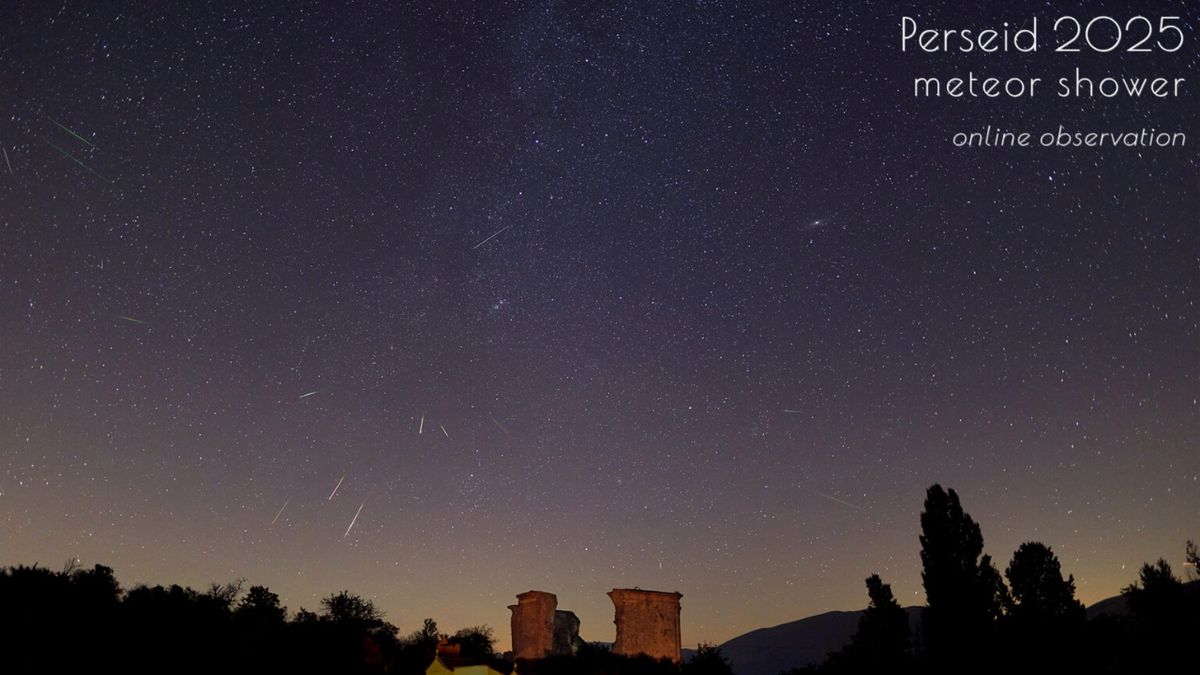
The Perseids are bits and pieces of Comet Swift-Tuttle, which swings by the sun every 133 years or so. As the comet zooms through space, it leaves a trail of debris in its wake. When Earth crosses this trail, we get a meteor shower. This year, the shower is expected to peak on the nights of August 11th and 12th, with up to 100 meteors per hour. Yes, you read that right. Per. Hour.
But here's the kicker. This year, the moon will be a thin crescent, meaning it won't be shining brightly and washing out the fainter meteors. In other words, it's going to be a dark night, perfect for spotting those shooting stars. It's like the universe is saying, "Hey, Earth. You've been cooped up. Here's a little something to make your summer a bit brighter."
So, What's the Best Way to Watch?
First things first, find a spot away from city lights. The darker the sky, the more meteors you'll see. I've got a favorite spot by the lake, but if you're not sure where to go, check out Dark Sky Finder. They've got a handy map to help you find the darkest spots near you.
Once you've found your spot, get comfortable. You're going to be there for a while. Bring a blanket, some snacks, and maybe even a friend or two. Remember, patience is key. Meteors can come in spurts, so don't give up if you don't see one right away.

And here's a little tip from yours truly. Lie down. Yes, you heard me right. Lying down gives you a wider view of the sky and makes it easier to spot meteors. Plus, it's more comfortable. Trust me, your back will thank you in the morning.
Oh, and one more thing. Don't forget to make a wish when you see a shooting star. It's tradition, after all. Who knows? Maybe the universe will grant it, just for being such a great stargazer.

But Wait, There's More!
If you miss the peak, don't worry. The Perseids are active from July 17th to August 24th. You've got plenty of time to catch a glimpse. And if you're feeling extra adventurous, you can even try to spot the Andromeda Galaxy while you're at it. It's the farthest object visible to the naked eye, and it's absolutely stunning.
So there you have it, folks. The Perseid Meteor Shower is coming, and it's promising to be a spectacular show. Whether you're a seasoned stargazer or a curious beginner, mark your calendars and get ready to make some wishes. The universe is waiting.
Now, if you'll excuse me, I've got some hot chocolate to make and a blanket to find. The night sky awaits, and I, for one, wouldn't miss it for the world.