
Order Of Electrical Impulses Through The Heart
So, I was out for a run the other day, you know, trying to keep this old body in shape. I was huffing and puffing, my heart pounding like a drum in my chest. It got me thinking, how does this thing work anyway? I mean, it's not like I can just flip a switch to make it beat faster, right? That's when it hit me, maybe it's not so different from the electrical impulses that power our gadgets. Let's dive in, shall we?
Meet the Heart's Electrician
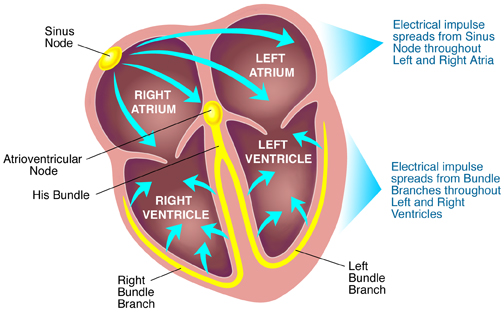
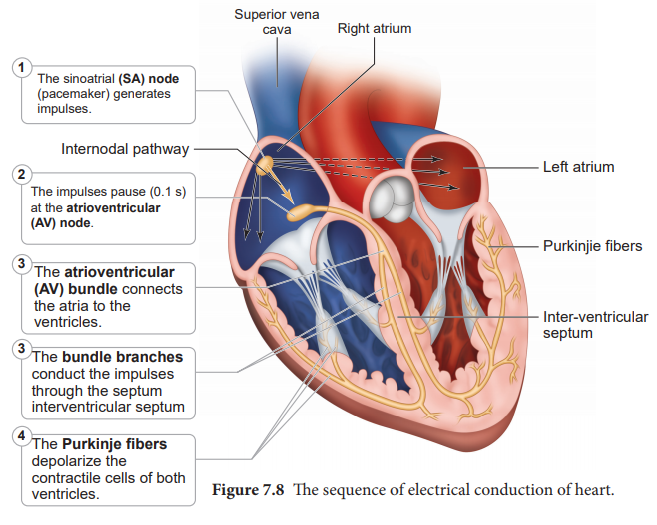
Alright, picture this. Your heart is like a tiny city, with its own power grid. The heart's electrical system is made up of a network of specialized cells that generate and conduct electrical impulses. The main players here are the sinoatrial node (SA node), the atrioventricular node (AV node), and the bundle of His. They're like the power plant and the power lines that keep the city running.
Now, the SA node, located in the right atrium, is the heart's natural pacemaker. It's responsible for generating electrical impulses that tell your heart to beat. It's like the heart's very own DJ, setting the rhythm for the party in your chest.
Must Read
Let's Get the Party Started
So, the SA node kicks things off by sending an electrical impulse down to the AV node. This impulse travels through a special pathway called the internodal tract. It's like the VIP lane at the club, ensuring the impulse gets to the AV node quickly and efficiently.
The AV node then passes the impulse along to the bundle of His, which splits into the left and right bundle branches. These branches then divide into smaller fibers called Purkinje fibers, which spread the impulse to the heart's ventricles. It's like a game of telephone, but with a much more important message.

Synchronized Chaos
Here's where things get really interesting. As the electrical impulse travels through the heart, it causes the heart muscle to contract. This happens in a specific order - first the atria, then the ventricles. It's like a wave, starting at the top and moving down. This synchronized contraction is what pumps blood through your body.
Now, you might be thinking, "That's all well and good, but what happens if something goes wrong?" Well, that's where things can get a bit tricky. If the electrical impulses don't travel as they should, it can lead to arrhythmias - that's just a fancy word for irregular heartbeats.
Some arrhythmias can be harmless, like the extra beats you might feel after a cup of coffee. But others can be serious, like atrial fibrillation, where the heart beats irregularly and too fast. That's why it's important to keep your heart healthy, just like you would your favorite gadget.
Keep Your Heart's Power Grid Healthy
So, how do you keep your heart's electrical system in tip-top shape? Well, it's not so different from keeping your gadgets running smoothly. Regular exercise, a healthy diet, and not smoking are all great ways to keep your heart healthy. And if you have any concerns about your heart, don't hesitate to talk to your doctor. After all, it's the most important muscle in your body.
And there you have it, folks. The heart's electrical system is a marvel of nature's engineering. It's complex, it's fascinating, and it's something we all rely on every day. So next time you're out for a run, or just sitting quietly, take a moment to appreciate the electrical symphony happening in your chest. It's music to your ears, literally.