
Why Do Animals Pace In Zoos
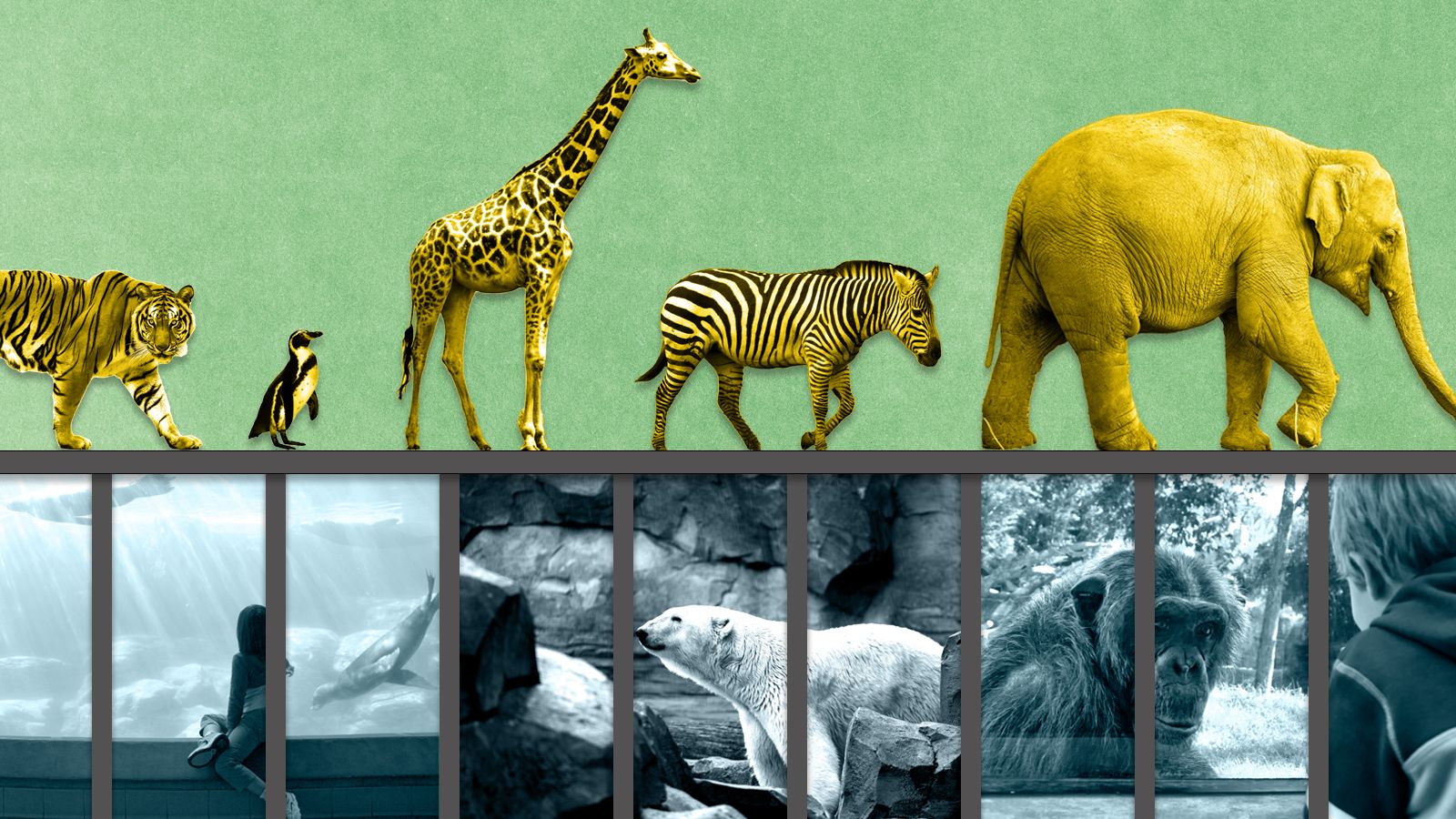
Paws for Thought: Why Zoos Make Animals Pace
Ever found yourself at the zoo, watching a lion or a tiger pacing back and forth, back and forth? You're not alone. This behavior is so common, it's practically the animal kingdom's version of a TikTok dance challenge. But why do they do it? Let's dive in, shall we?
Cages, Meet Cabin Fever
Imagine you're stuck in a small room all day, every day. No matter how cozy, you'd probably go stir-crazy, right? The same goes for our furry, feathered, and scaly friends in zoos. Their enclosures, no matter how spacious, can't replicate the vastness of their natural habitats.
Pacing is their way of coping with the monotony and stress of captivity. It's like they're trying to walk off the four walls closing in on them. Biologists call this "stereotypic behavior," a fancy term for repetitive, unnatural actions caused by stress or boredom.
Must Read
When Nature Calls
In the wild, animals spend their days roaming, hunting, or foraging. This constant movement is ingrained in their DNA. When they're confined, that instinct doesn't just disappear. Instead, it manifests in pacing, a way to burn off energy and keep their minds active.
Take the cheetah, for instance. In the wild, they can run up to 75 mph, covering vast distances in search of prey. In a zoo, that same energy has nowhere to go, so they pace. It's like having a toddler cooped up indoors all day - trouble's bound to brew!
Culture Shock, Animal Style
Cultural references can help us understand animal behavior too. Think of an animal in a zoo as an exchange student in a foreign land. They're out of their element, surrounded by unfamiliar sights, sounds, and smells. Pacing is their way of processing this culture shock.

Consider the meerkat, for example. In their native Africa, they live in complex underground burrows, constantly on the lookout for danger. In a zoo, they're above ground, surrounded by glass and metal. It's no wonder they pace, trying to make sense of their new environment.
Zookeeper's Toolkit: Enrichment
Zookeepers have a secret weapon against pacing: enrichment. It's like giving a kid a puzzle to keep them occupied. Enrichment activities stimulate animals mentally and physically, reducing stress and repetitive behaviors.
Hides, puzzles, and even frozen treats (yes, you read that right) are all part of a zookeeper's toolkit. They help animals express natural behaviors and keep their minds active. It's like turning a small enclosure into a giant, interactive playground.

Reflections: Our Pacing Parallels
So, the next time you see an animal pacing in a zoo, remember, they're not just bored. They're coping with a world that's too small, too different, too... unnatural. It's a reminder that we all need space, stimulation, and a sense of control to thrive.
Think about your own life. When you're cooped up, stressed, or bored, what's your version of pacing? Maybe it's cleaning the house from top to bottom, or going for a run, or even scrolling through social media. Whatever it is, it's your way of coping, of burning off energy, of keeping your mind active.
So, let's cut our furry, feathered, and scaly friends some slack. They're just trying to make it through the day, one pace at a time. And who knows, maybe we can learn a thing or two from their pacing prowess. After all, we're not so different, you and I, from the animals at the zoo.