
Where Is Energy Released In Respiration
Alright, gather 'round, folks! Let's talk about something that's as essential to us as oxygen and Wi-Fi - energy. Now, you might be thinking, "Energy? Isn't that just what I spend when I'm scrolling through cat videos on the internet?" Well, yes, but today we're talking about a different kind of energy - the one that keeps us alive and kicking, even when we're not binge-watching Netflix.
So, where does this magical energy come from, you ask? Well, it's not like we've got a tiny power plant in our bellies. No, no, no. It's all thanks to our old friend, food. That's right, every time you tuck into a juicy burger or a bowl of spaghetti, you're not just satisfying your taste buds, you're fueling your body's very own energy factory.
Enter: Respiration
Now, before you start imagining your body as a human-sized hamster on a wheel, let's clarify what we mean by respiration. No, it's not just about breathing in and out (although that's a big part of it). Respiration is the process by which our body breaks down the food we eat to release energy. It's like a tiny, ongoing party in our cells, and you, my friend, are the life of it.
Must Read
Stage 1: Glycolysis
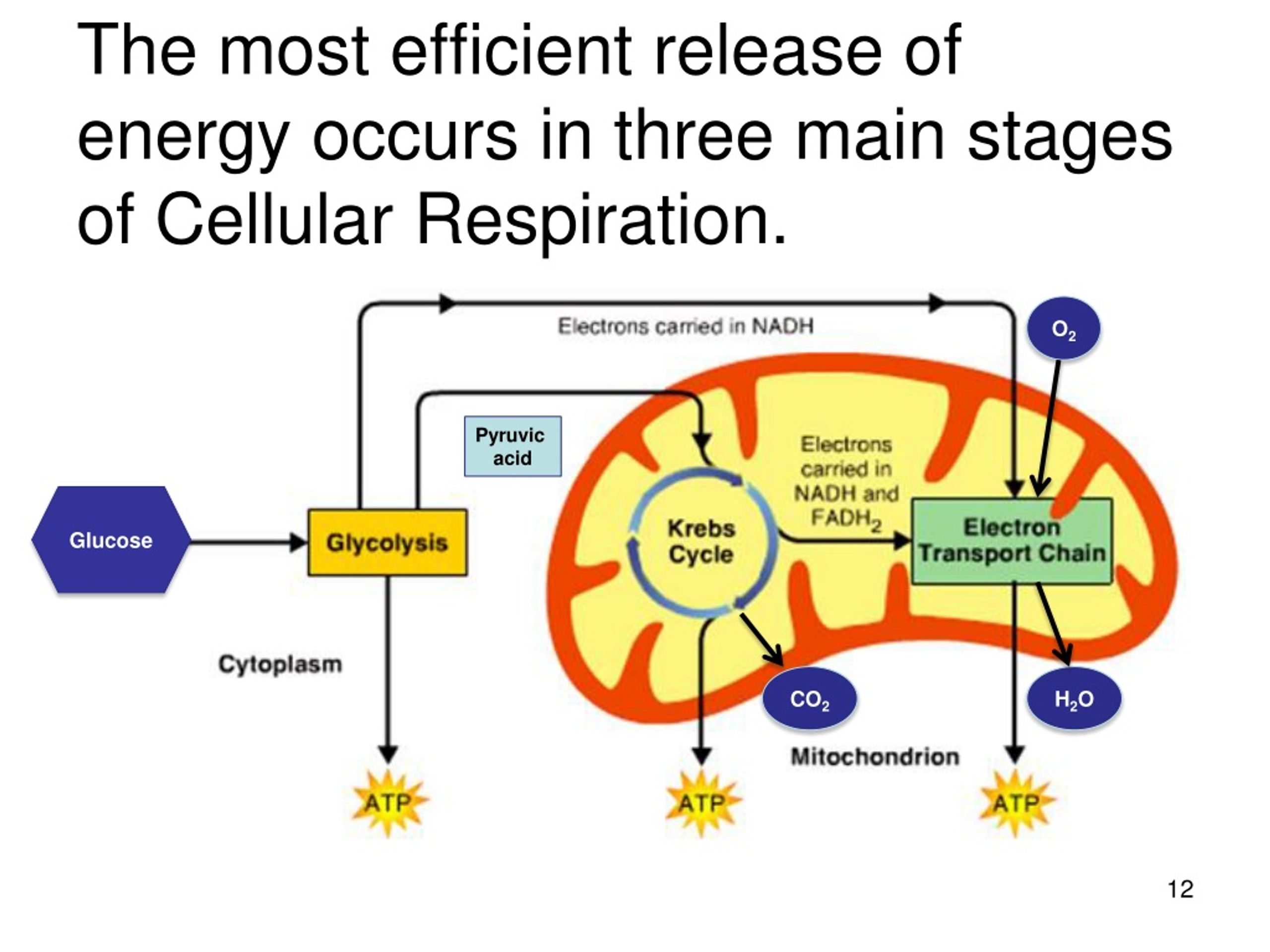
So, picture this: You've just eaten a big, delicious apple. What happens next is like a real-life game of 'Operation'. Your body starts to break down the glucose (that's just fancy talk for sugar) in the apple. This happens in your cells, and it's called glycolysis. It's like your body's saying, "Thanks for the sugar, now let's get this energy party started!"
Now, here's where things get a bit weird. Remember how we said this was like a party? Well, imagine if at every party you went to, the host gave you a tiny, invisible present. That's what your body does here. During glycolysis, it produces two tiny energy packets called ATP. ATP is like the currency of your body's energy world. It's what powers everything from your brain to your big toe.
But here's the kicker - your body only gets two ATP from each glucose molecule. Two! Can you believe it? It's like going to a party and only getting two tiny presents. Seems a bit stingy, right? Well, don't worry, because things are about to get a whole lot better.

Stage 2: The Krebs Cycle and Electron Transport Chain
Remember how we said glycolysis was like a tiny party in your cells? Well, what comes next is like the main event. The Krebs cycle and the electron transport chain are like the DJs of your energy party, spinning out energy like there's no tomorrow.
Here's how it works: After glycolysis, the glucose molecule breaks down even further, releasing way more energy. This energy is used to pump protons across a membrane, creating a tiny electrical charge. This charge is what powers the production of even more ATP. We're talking up to 36 ATP from one glucose molecule. Now that's a party!
But wait, there's more! Remember those tiny, invisible presents we talked about earlier? Well, during the electron transport chain, your body also produces something called water and carbon dioxide. The water goes back into your body, and the carbon dioxide? Well, that's what you breathe out. So, every time you exhale, you're literally releasing the energy of your lunch. Isn't that amazing?

And That's Not All, Folks!
So, there you have it. That's where energy is released in respiration. It's a complex process, but it's also pretty darn amazing. And the best part? You don't even have to think about it. Your body does it all automatically, every single day. It's like having your own personal energy genie, granting you wishes of ATP with every breath you take.
But remember, folks, this is a party, and like any good party, it needs fuel. So, make sure you're eating right, staying active, and giving your body the energy it needs. After all, you are the life of this energy party, and it's important to keep the good times rolling.
And there you have it. The story of energy in respiration. Isn't the human body just the best? Now, who's ready for lunch?