
What Happens When An Atom Loses Electrons?

So, you're curious about what happens when an atom loses electrons, huh? Grab a coffee, let's chat about it!
Ionization, the Atom's Breakup
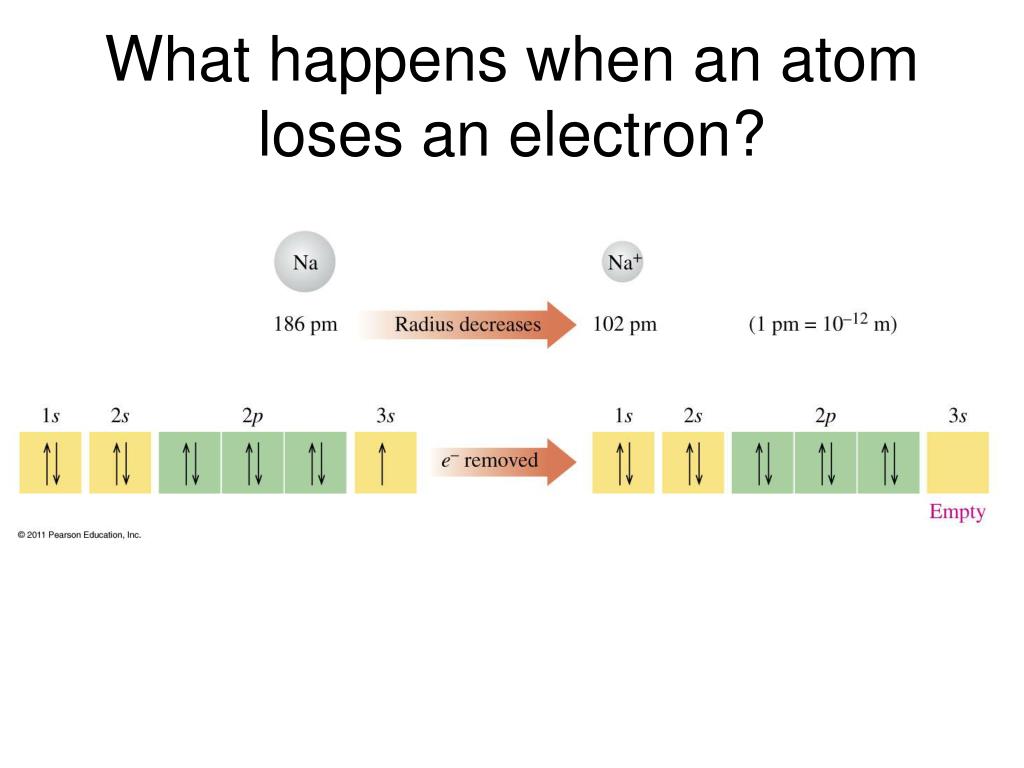
Imagine an atom as a tiny, bustling city. Electrons are the citizens, and they love to move around, you know? Now, when an atom loses one or more of these electron citizens, it's like a mini-exodus. This process is called ionization.
But why do electrons up and leave? Well, it could be due to heat, light, or even a chemical reaction. It's like they're saying, "Hey, this place isn't for me anymore!"
Must Read
Positive Charge, Negative Vibes
Now, here's where things get interesting. When an atom loses an electron, it's left with a positive charge. Why? Because remember, protons are positively charged, and they're hanging out in the nucleus, pulling the strings. With fewer electrons to balance them out, the atom's overall charge becomes positive.
So, we've got a positively charged atom, or cation, as the cool kids call it. It's like the atom's gone through a breakup, and it's feeling a bit... charged, shall we say?
Chemical Changes, the Atom's New Normal
You'd think that losing electrons would be a one-time thing, right? Wrong! Once an atom has lost electrons, it might behave differently from its original, electron-rich self. It might form new bonds, create new compounds, or even change its physical state.
It's like the atom's gone through a transformation, a chemical midlife crisis, if you will. And just like a midlife crisis, it's not always pretty, but it's a part of life, or rather, chemistry.
Ionization Energy, the Atom's Price to Pay
Now, you might be wondering, "How easy is it for an atom to lose an electron?" That's where ionization energy comes in. It's like the atom's resistance to change, its stubbornness, if you will.
Some atoms are more willing to let go of their electrons than others. For instance, sodium (Na) is like the chatty neighbor who's always ready to say hi, while nitrogen (N) is more like the grumpy cat who only comes out at night.
Electron Gain, the Atom's Makeover
But wait, there's more! An atom can also gain electrons, becoming negatively charged, or an anion. It's like it's found a new crowd to hang out with, and suddenly, it's all about that negative life.
This happens when an atom has a strong attraction for electrons, like the element fluorine (F). It's like the ultimate electron magnet, always ready to welcome new residents.

Ions, the Atom's New Identity
So, whether they've lost or gained electrons, these transformed atoms are now called ions. They're like the atom's alter ego, with a new charge and a new attitude.
And guess what? Ions can attract or repel each other based on their charges. It's like they've found their tribe, and they're sticking together, for better or for worse.
In Conclusion, the Atom's Journey
So, there you have it, folks! When an atom loses electrons, it's not just losing a part of itself. It's gaining a new identity, a new purpose, a new way of being. It's like the atom's on a journey of self-discovery, and we're all along for the ride.
Pretty cool, huh? Now, who's ready for another coffee?