
The Highest Levels Of Airborne Asbestos Fibres

Asbestos: The Invisible Guest We Don't Want
Ever felt like you're living in a real-life game of hide and seek? Well, there's an invisible player that's been around for ages, and it's not as fun as you'd think. I'm talking about asbestos, the silent, fibrous intruder that's been sneaking into our homes and workplaces for decades. But don't worry, we're not here to scare you. We're just going to have a chat about this sneaky little substance and why it's important to keep an eye out for it.
What's the Big Deal About Asbestos?
Asbestos, you might be thinking, isn't that the stuff they used to make those old, itchy blankets? Well, yes, it was. But it was also used in a whole lot of other things - like insulation, floor tiles, and even some types of makeup. The problem is, when asbestos gets old or damaged, it can release tiny fibers into the air. And these fibers, my friends, are not your typical house guests.
These fibers are so small that you can't see them, taste them, or even smell them. But they can cause some serious health issues if you inhale them over a long period. We're talking about conditions like lung cancer, mesothelioma (a type of cancer that affects the lining of the lungs and chest wall), and asbestosis (a non-cancerous, but serious, lung condition).
Must Read
So, What's the Safest Level of Asbestos?
You might be wondering, "Well, how much asbestos is too much?" The answer to that is, any amount is too much. But if we're talking about legal limits, the Occupational Safety and Health Administration (OSHA) has set the permissible exposure limit (PEL) for asbestos at 0.1 fibers per cubic centimeter of air (f/cc) averaged over an 8-hour workday.
The Environmental Protection Agency (EPA), on the other hand, has set a goal of not more than 0.0001 f/cc for the general population. That's a big difference, folks. It's like saying you can have one cookie a day, or one cookie a year. Both are technically allowed, but one is clearly a lot healthier.
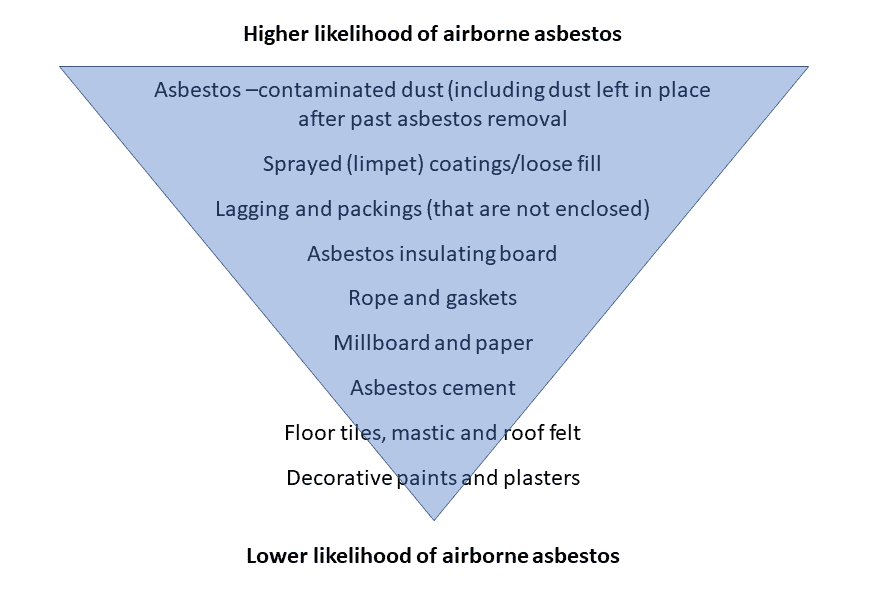
But I Don't Work in a Mine or a Factory!
You might be thinking, "That's all well and good, but I don't work in a place where asbestos is used." And that's true, for the most part. But asbestos can still find its way into our homes and workplaces in other ways. For example, if you live in an older home, there might be asbestos in the insulation, floor tiles, or even the popcorn ceilings. And if you're doing some DIY renovations, you could be disturbing these materials and releasing those tiny fibers into the air.
Similarly, if you work in a school, hospital, or office building that was built before the 1980s, there might be asbestos hiding in the walls, floors, or ceilings. And if you're doing some maintenance work, you could be disturbing these materials and putting yourself at risk.
What Can We Do About It?
So, what's the solution? Well, the first step is to be aware. Know what asbestos looks like, where it might be hiding, and how to handle it safely. If you suspect there's asbestos in your home or workplace, don't panic. Just don't disturb it and call a professional. They have the training and equipment to handle asbestos safely.

If you're doing some renovations, make sure to wear a mask and wet the materials before you start working. This can help reduce the number of fibers that get into the air. And always, always, always follow local regulations and guidelines when it comes to asbestos.
Let's Make Our Homes and Workplaces Safe Spaces
Asbestos might seem like a thing of the past, but it's still a very real threat. But with a little bit of knowledge and a lot of caution, we can make our homes and workplaces safe spaces for everyone. So, let's not let this invisible guest sneak up on us. Let's be proactive, let's be aware, and let's keep our spaces asbestos-free.
After all, our homes and workplaces should be places where we can breathe easy, not places where we have to worry about invisible dangers. So, let's make sure they stay that way. Because we deserve to live and work in spaces that are safe, healthy, and asbestos-free.