
Metal Finishing For The Biotechnology Industry
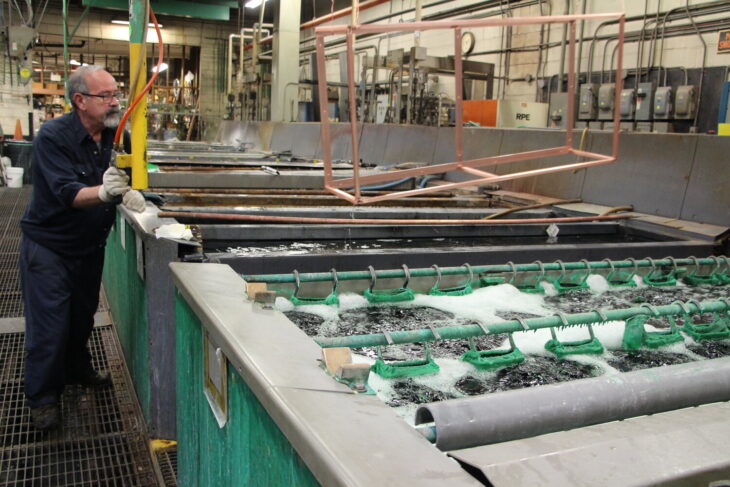
Hey there, ever wondered what makes those shiny lab tools sparkle?
So, you're strolling through your local biotech lab, right? You see all these fancy, gleaming tools and equipment, and you can't help but wonder, "How do they get that metal finish, and why's it so important?" Well, grab a coffee, 'cause we're about to dive into the fascinating world of metal finishing in biotech. It's like the cool kid at the science party that nobody talks about, but everyone wants to be friends with.
First things first, what's metal finishing?
Imagine you've just bought a new car. It's shiny, it's beautiful, but it's also a bit... plain. So, you take it to the detailing shop. They polish it, they coat it, they make it look like a million bucks. That, my friend, is metal finishing in a nutshell. It's all about making metal surfaces look good, sure, but also making them tough, durable, and safe for use in the biotech world.
Why's it so important in biotech?
You might be thinking, "Who cares if my lab tools are shiny? They just need to work, right?" Well, hold your horses, because metal finishing in biotech is like the unsung hero of the lab. It's all about creating a barrier between the metal and the stuff it's gonna come into contact with - like samples, reagents, or even your hands.
Must Read
Think about it like this: you wouldn't want your fancy new phone to get all scratched up and rusty, right? Same goes for lab equipment. Metal finishing protects it from corrosion, makes it easier to clean (because nobody likes a grimy lab), and ensures that it won't leach any nasty metals into your samples. Gross, right?
So, what kind of finishes are we talking about?
Alright, so you've got your base metal - let's say it's stainless steel. Now, what do you do with it? Well, there are a few options:
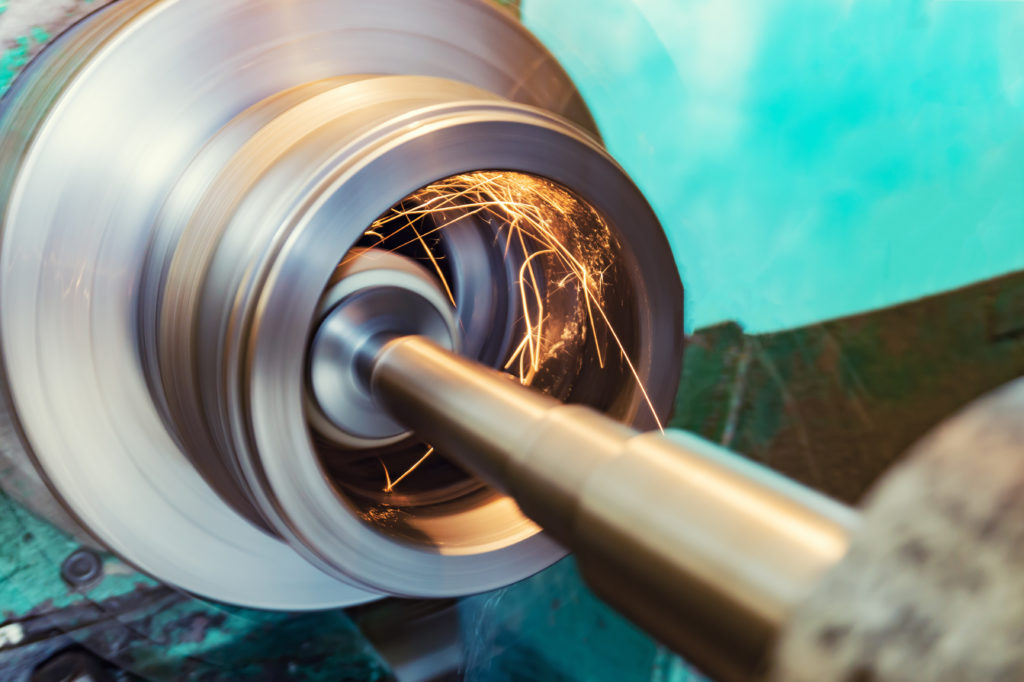
- Passivation: This is like giving your metal a quick shower and a shave. It removes any impurities from the surface and creates a thin, protective layer of oxide. It's quick, it's easy, and it's great for keeping your metal looking sharp.
- Electropolishing: Ever tried to polish a metal surface with electricity? No? Well, biotech labs have. Electropolishing is like sending your metal to an electric spa. It smooths out the surface, making it easier to clean and less likely to harbor bacteria. It's also great for making your tools look super shiny - bonus!
- Coatings: Sometimes, you just need a little something extra. That's where coatings come in. Think of them like a fancy jacket for your metal - they can make it more resistant to corrosion, more slippery (so stuff doesn't stick to it), or even give it some extra sparkle. Some common coatings in biotech include PTFE (that's polytetrafluoroethylene to you), titanium nitride, and good old-fashioned chrome.
But wait, there's more!
Metal finishing isn't just about looks and protection. It's also about making sure your tools are safe to use. In biotech, that means making sure they won't leach any metals into your samples or cause any harm to the people using them. It's like having a superhero in your lab, fighting the good fight against contamination and corrosion.
So, the next time you're in a biotech lab, take a moment to appreciate the shiny, the smooth, and the downright gorgeous metal finishes. They're not just there to look pretty - they're there to keep your science safe and sound. And isn't that something worth smiling about?