
How To Check Website Ranking In Google
Ever wondered how your favorite website stacks up against the competition? Or maybe you've got a personal blog, and you're curious to see if your witty musings are reaching the masses. Well, friend, today's your lucky day. We're going to dive into the world of Search Engine Optimization (SEO) and learn how to check website ranking in Google. No need to don a tinfoil hat or speak in tech jargon - we promise to keep it real and fun.
Why Bother with Rankings?
Before we get our hands dirty, let's talk about why rankings matter. Imagine you're at a bustling farmers market, and you've got a stand selling the most delicious, organic, hand-picked lemons this side of the equator. If your stand is tucked away behind the smelly cheese and the guy selling used shoes, chances are, not many people are going to find your lemon paradise. But if you're front and center, with a big, colorful sign, and a catchy jingle, well, that's a whole different story.
Google's search engine is like that farmers market. When someone types in 'lemonade recipe,' Google serves up a list of websites, or 'results,' based on what it thinks is most relevant and useful. The higher up on that list your website is, the more likely people are to click on it. And that, my friend, is why rankings matter.
Must Read
Meet Your New Best Friend: Google Search Console
Alright, let's roll up our sleeves and get started. The first thing you need to know about is Google Search Console. It's a free tool offered by Google that gives you a behind-the-scenes look at how your website is performing in search results. It's like having a secret VIP pass to Google's inner workings.
To get started, you'll need to add your website to Search Console. Don't worry, it's not as scary as it sounds. Just follow the step-by-step instructions on Google's website. Once you're in, you'll want to focus on the 'Performance' tab. This is where the magic happens.
Performance Metrics: What They Mean and Why They Matter
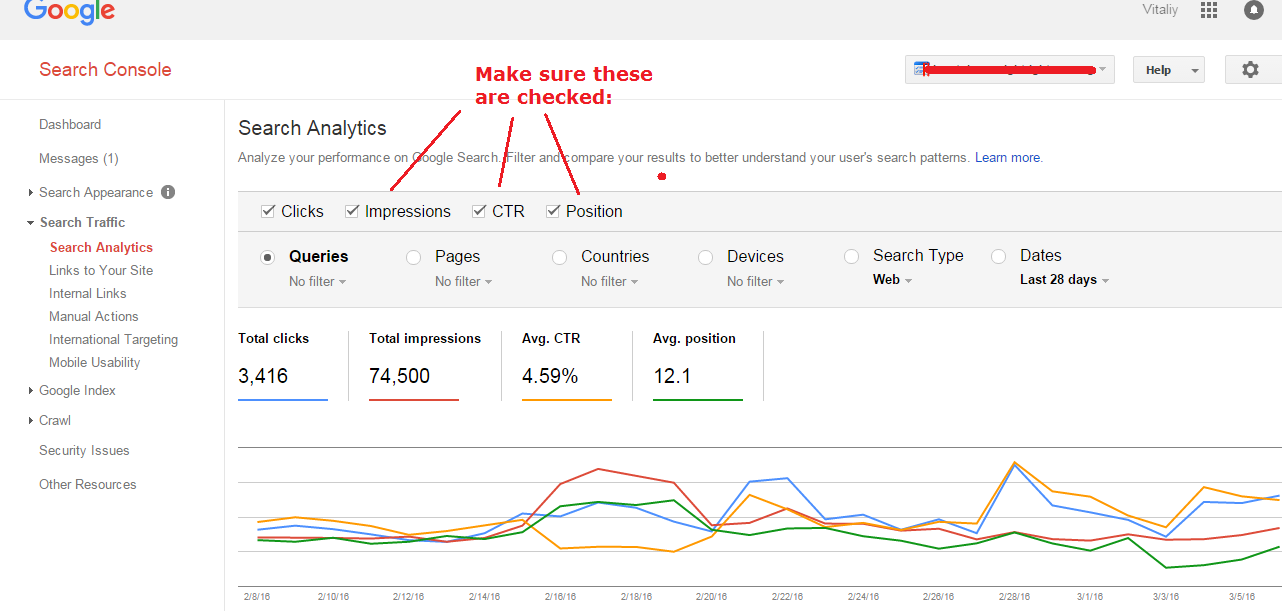
Now, before you dive into the data, let's quickly talk about the metrics you'll see. There are three main ones:
- Total Clicks: This is the number of times your website appeared in search results and someone clicked on it. Think of it as the number of people who stopped by your lemonade stand.
- Total Impressions: This is the number of times your website appeared in search results, whether someone clicked on it or not. It's like the number of times people walked by your lemonade stand, even if they didn't stop.
- Average Position: This is the average ranking of your website in search results. The lower the number, the higher up you are. So, if your average position is 5, that means your website is usually the 5th result on the page.
These metrics are important because they give you an idea of how visible your website is in search results and how engaging it is to users. The goal is to increase clicks and impressions while decreasing your average position - in other words, to get your website higher up in search results.
Checking Your Rankings: The Easy Way
Now, let's talk about the fun part - actually checking your rankings. There are a few different ways to do this, but we're going to focus on the easiest one: using Google Search Console's 'Performance' report.
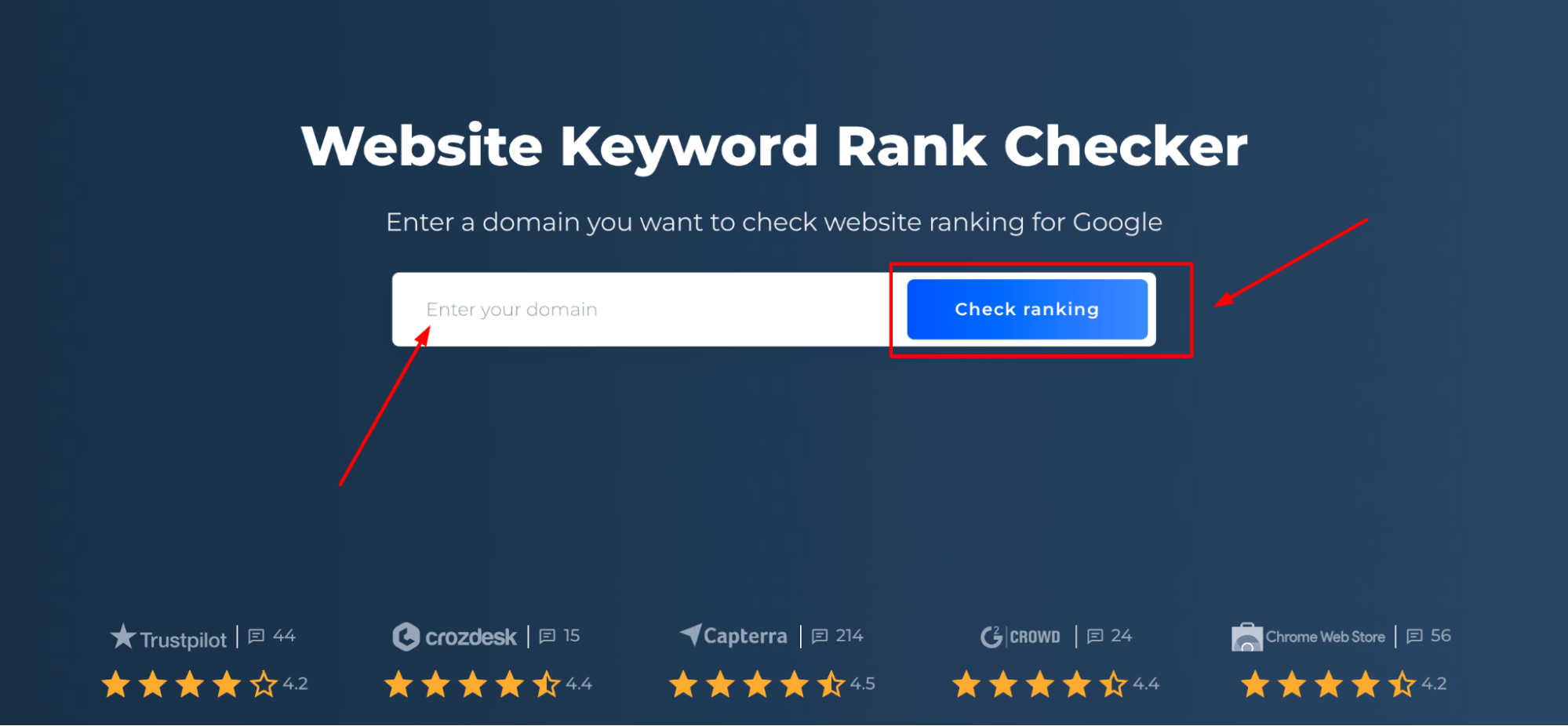
Here's how:
- Log in to your Google Search Console account.
- Select your website.
- Click on the 'Performance' tab.
- In the 'Search results' section, click on 'Queries.' This will show you a list of all the search terms that triggered your website to appear in search results, along with metrics like clicks, impressions, and average position.
- To see your rankings for a specific search term, click on it. This will show you a graph of your website's performance for that term over time.
Easy peasy, right? Now you can see exactly where your website stands in the search results for any given term. But remember, rankings can fluctuate day to day, so it's important to check in regularly to see how your website is performing.
Other Tools of the Trade
While Google Search Console is our favorite tool for checking rankings, it's not the only one. There are plenty of other tools out there that can give you insights into your website's performance. Some popular ones include:
- Moz's Link Explorer: This tool gives you detailed information about your website's backlink profile, which can help you understand why your website is ranking the way it is.
- Ahrefs Webmaster Tools: This is a free alternative to Google Search Console that offers some unique features, like a 'Best by links' report that shows you which pages on your website have the most backlinks.
- SEMrush: This is a powerful SEO toolkit that offers a wide range of features, including keyword research, competitor analysis, and rank tracking. It's not free, but it does offer a limited free plan.
Each of these tools has its own strengths, so it's worth trying out a few to see which ones work best for you.
Rankings: The Never-ending Story
Alright, so now you know how to check your website's rankings in Google. But here's the thing: rankings are always changing. Google's algorithm is constantly updating, and your competitors are always trying to one-up you. So, checking your rankings isn't a set-it-and-forget-it kind of thing. It's an ongoing process that requires regular attention and adjustment.

Think of it like gardening. You can't just plant your lemons and expect them to grow into a lush, fruitful tree all on their own. You've got to tend to them, water them, prune them, and make sure they're getting enough sun. The same goes for your website. You've got to keep an eye on your rankings, optimize your content, and make sure your website is running smoothly.
But don't let that overwhelm you. Checking your rankings can be a fun, rewarding process. It's like playing a game where the prize is more traffic, more engagement, and more success for your website. And who doesn't love a good game?
Rankings and Daily Life: A Reflection
So, why does all this matter? Well, in a world where information is king, rankings are the crown. They determine who gets seen and who gets lost in the shuffle. And while it's easy to get caught up in the numbers and the competition, it's important to remember that at the end of the day, rankings are just a means to an end.
They're a way to connect with people, to share your ideas, your products, your passions. They're a way to make a difference, to inspire, to educate, to entertain. So, the next time you check your rankings and see that you've climbed a spot or two, take a moment to celebrate. But also take a moment to think about why you're doing this in the first place. Because rankings are just the beginning. The real magic happens when you use them to make a connection.
And with that, we leave you to go forth and conquer the world of SEO. May your rankings be high, your traffic be steady, and your lemonade be sweet. Until next time, friends.