
Google Translate English To Spanish Documents

So, there I was, trying to impress my Spanish-speaking friend with my culinary skills. I'd found this amazing recipe for tortilla española, but the problem? It was in Spanish. I mean, who has time to learn a new language just to cook, right?
That's when I remembered Google Translate. You know, that magical tool that's been there for us since the dawn of the internet, making the world a little bit smaller. I fired it up, typed in the recipe, and voilà! Out popped an English version. It wasn't perfect - "beat the eggs like a drum" was a bit of a stretch, but hey, you get the idea.
Enter Google Translate: The Document Whisperer
That little culinary adventure got me thinking. Google Translate isn't just for recipes anymore. It's grown up, it's learned a few new tricks, and it's ready to tackle your documents. Whether it's a report for work, a letter to your pen pal, or even a love letter (though I wouldn't recommend that, Google's not that romantic), it's got your back.
Must Read
How Does It Work?
Well, it's not magic (though sometimes it feels like it). Google Translate uses something called Neural Machine Translation (NMT). In simple terms, it's like teaching a computer to understand and translate languages. It's not perfect - it's still learning, after all - but it's pretty darn good.
Here's a fun fact: Google Translate can translate between over 100 languages. That's like having a little United Nations in your pocket. Or on your laptop, I guess. Not bad for a tool that started out as a simple text box.
Translating Documents: The Nitty-Gritty
Alright, so you've got your document. It could be a Word file, a PDF, even a picture. Google Translate can handle all that. Here's how you do it:
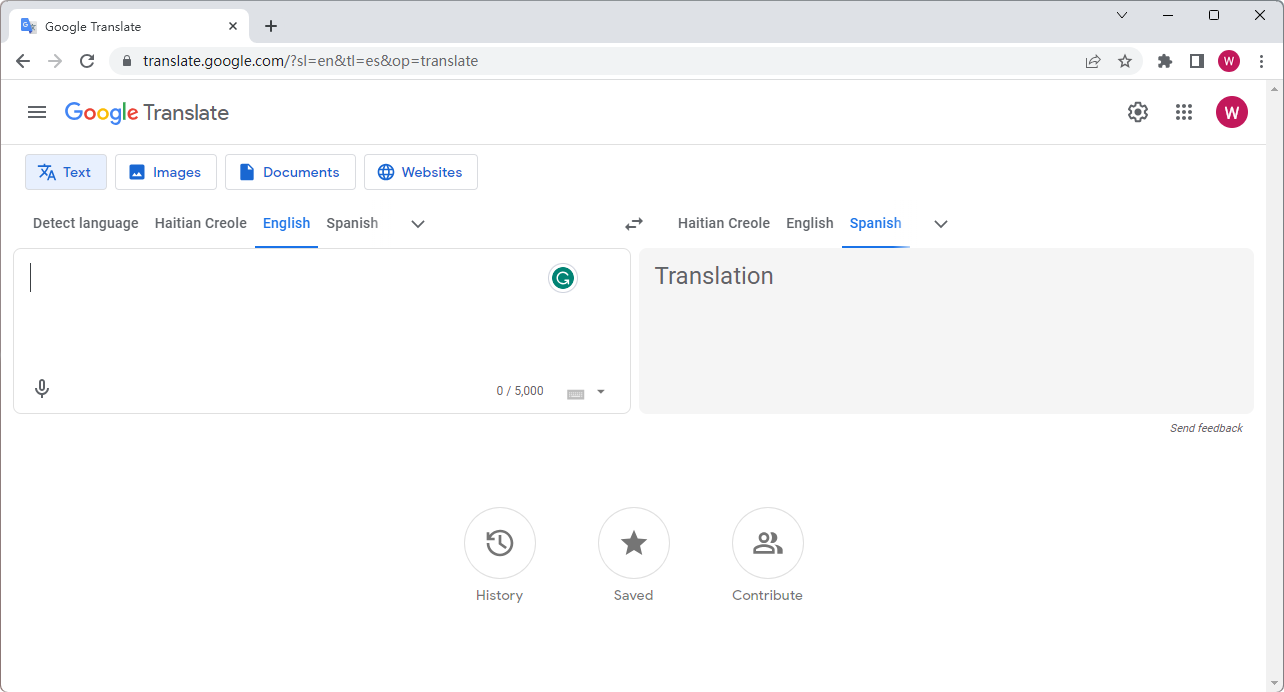
- Head over to Google Translate.
- Click on the little three dots (⋮) next to the text box.
- Select "Import" and choose your file.
- Pick the language you're translating from and the language you're translating to.
- Hit that big blue "Translate" button, and watch the magic happen.
It's that simple. Well, almost. There are a few things to keep in mind.
Tips and Tricks
First, Google Translate works best with clear, well-formatted text. So, if you're translating a PDF, it might help to extract the text first. You can use tools like PDFmyURL for that.
Second, context is key. Google Translate can sometimes struggle with idioms, slang, or complex sentences. If you're translating something important, it might help to have a human double-check it.

Lastly, don't forget to proofread. Even the best translations can have a few hiccups. A quick read-through can catch any weird phrasing or mistranslations.
The Future of Translation
Google Translate has come a long way since its early days. It's not just a tool for quick translations anymore - it's a powerful resource for communication, learning, and understanding. And who knows? Maybe one day, it'll even understand that "beat the eggs like a drum" is a metaphor.
So, the next time you're stuck with a document in a language you don't understand, don't panic. Just remember, Google Translate is just a click away. And who knows? You might even learn a thing or two.