
Google Of Traductor Of English Of Spanish

¡Hola, Amigos! Let's Chat: Google Translate Spanish to English
Ever found yourself in a tapas bar in Barcelona, menu in hand, wishing you could read more than just the pictures? Or maybe you're trying to impress your Spanish-speaking friends with your new language skills, but you're stuck on '¿Dónde está el baño?' Google Translate is here to save the day, turning you into a Spanish-English whiz in no time.
Google Translate: The Magic Wand of Language
Google's translation tool is like a magic wand that turns Spanish into English and vice versa. It's not perfect - it's had its share of hilarious mistranslations - but it's a fantastic starting point. So, let's dive in and see how we can make the most of it.
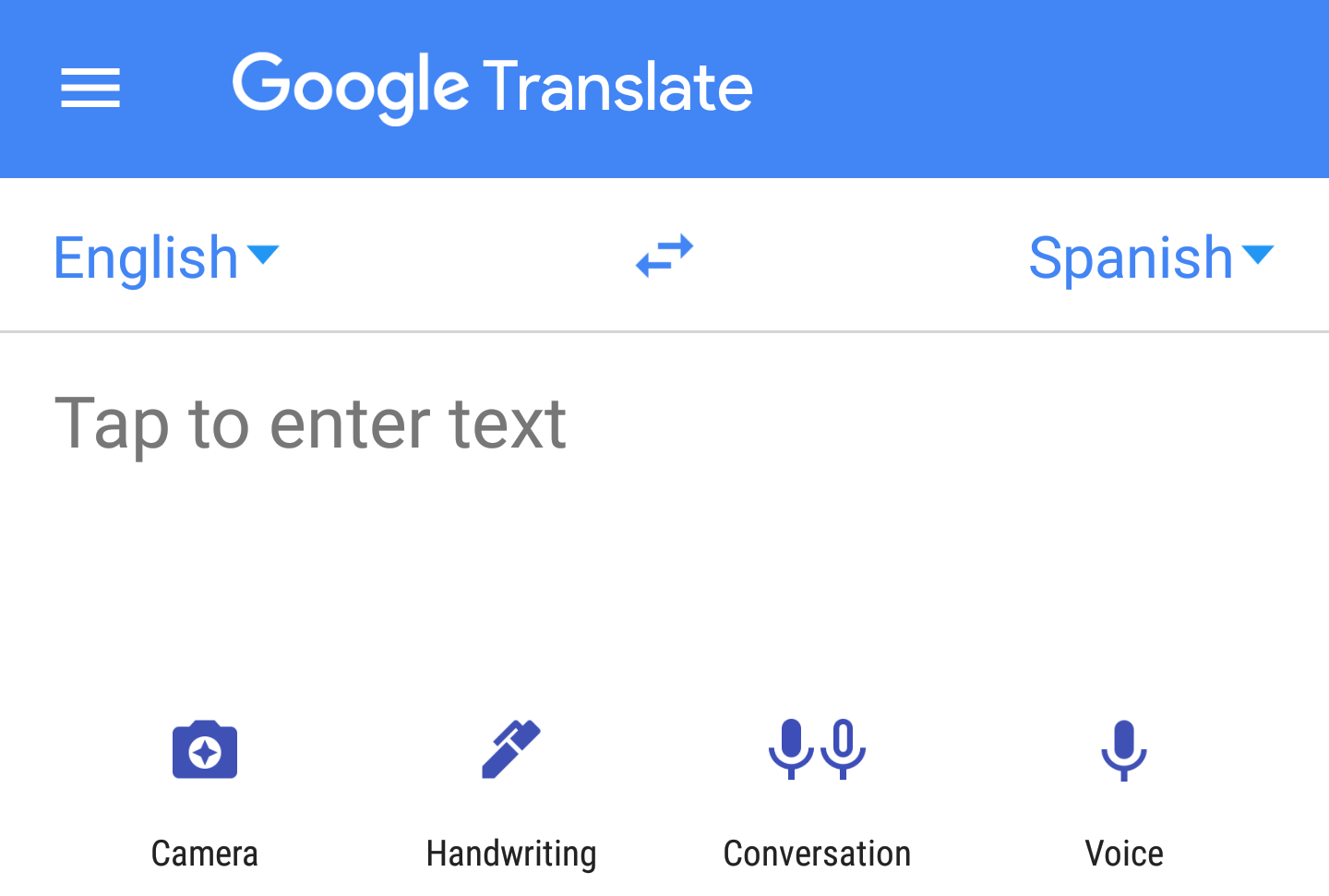
First things first, head to translate.google.com. You'll see two boxes, one for input and one for output. Choose 'Spanish' from the dropdown menu on the left and 'English' on the right. Now, let's get translating!
Must Read
Translating Text: A Breeze with Google
To translate text, simply type or paste it into the input box. Google will work its magic, and you'll see the translation appear in the output box. It's that easy! Here's a fun fact: Google Translate can handle up to 5,000 characters at a time. That's a lot of Spanish!
But what if you're not a keyboard warrior? What if you're more of a speak-your-mind kind of person? Google's got you covered there too.
Speak Spanish, Hear English: The Magic of Voice Translation
Google Translate's voice feature is like having a personal interpreter in your pocket. To use it, click on the microphone icon in the input box. Speak your Spanish, and Google will translate it into English out loud. Pretty neat, huh?

And the best part? It works both ways. Speak English, and you'll hear the translation in Spanish. It's like having a conversation with a friend who speaks both languages fluently. Just remember to enunciate - Google's not a mind reader!
Practical Tips for Perfect Translations
Google Translate is a powerful tool, but it's not a human. To get the best results, here are a few tips:
- Keep it simple: Google struggles with complex sentences and idioms. Break down your text into simple sentences for better results.
- Use complete sentences: Google needs context to translate accurately. Always use full sentences instead of individual words.
- Check your work: Google's translations aren't always perfect. Double-check the output to make sure it makes sense.
Cultural References: When in Rome, Speak Like a Local
Google Translate isn't just about words; it's about culture too. Want to know how to say 'cheers' in Spanish? It's '¡Salud!' But did you know that in Spain, it's often followed by '¡A tu salud!' - 'To your health!'?
Google Translate can't teach you culture, but it can point you in the right direction. Use it to learn common phrases and then dive deeper into the culture. You'll be speaking like a local in no time!
Fun Fact: The Evolution of Google Translate
Did you know that Google Translate started as a simple tool for translating web pages? It's come a long way since then. Today, it supports over 100 languages and can even translate images using its camera feature. Pretty impressive, huh?
Reflection: Connecting Languages, Connecting Lives
Google Translate is more than just a tool; it's a bridge between cultures. It helps us connect with people we might never have met, understand news from around the world, and even order the right dish at a restaurant. It's a reminder that despite our differences, we're all just trying to communicate, to connect.
So, the next time you're struggling with a language barrier, remember that you're not alone. Google Translate is there to help, and so are the millions of people around the world who speak the language you're trying to learn. ¡Buena suerte! - That's 'good luck' in Spanish, by the way.