
Epidemiological Transition Model Vs Demographic Transition Model

Transitioning Through Time: Epidemiological vs Demographic
Ever wondered why some countries are booming with babies while others are grappling with empty nests? Or why certain regions are battling diseases that others have left behind? The answers lie in two fascinating models that help us understand how populations change over time: the Epidemiological Transition Model and the Demographic Transition Model.
Demographic Transition Model: The Original Blueprint
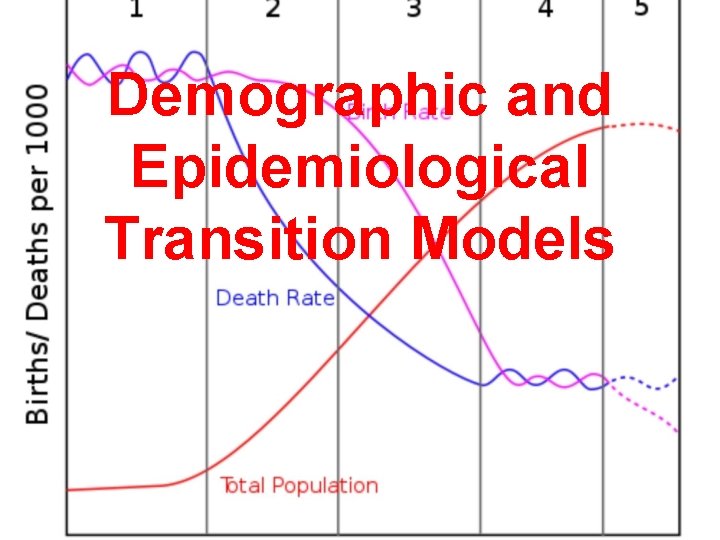
The Demographic Transition Model, introduced by Warren Thompson in the 1920s, is like the original blueprint for population change. It's a four-stage journey that countries go through as they develop.
- Stage 1: High Birth and Death Rates - Think medieval Europe or ancient civilizations. Life was tough, so people had lots of kids to ensure the family line continued. But with poor sanitation and medicine, many didn't make it to old age.
- Stage 2: Declining Death Rates - With the Industrial Revolution, life expectancy shot up thanks to better hygiene, medicine, and food. But birth rates? Still sky-high.
- Stage 3: Falling Birth Rates - Urbanization, education, and access to contraception led to smaller families. Hello, baby boomers!
- Stage 4: Low Birth and Death Rates - Welcome to the modern world, where families are smaller, and people live longer. Think Japan or Italy today.
But here's the thing, folks. This model doesn't account for one crucial factor: disease. That's where the Epidemiological Transition Model comes in.
Must Read
Epidemiological Transition Model: The Health Factor
The Epidemiological Transition Model, introduced by Abdel Omran in the 1970s, is like the Demographic Model's cooler, more health-conscious cousin. It's all about how diseases change as countries develop.
- Age of Pestilence and Famine - In pre-industrial societies, infectious diseases and malnutrition were the big killers. Think the Black Death or the Irish Potato Famine.
- Age of Receding Pandemics - With improvements in sanitation, vaccines, and medicine, infectious diseases started to decline. But chronic diseases like heart disease and diabetes began to rise.
- Age of Degenerative and Man-Made Diseases - In modern societies, we've got it good. But our lifestyles have led to an increase in chronic, non-communicable diseases. Think obesity, cancer, and mental health issues.
Fun fact: The U.S. is currently transitioning from the Age of Receding Pandemics to the Age of Degenerative and Man-Made Diseases. So, that's something to keep in mind the next time you reach for the cookie jar.

So, Which Model Wins?
Well, neither, actually. They're both important in their own way. The Demographic Model helps us understand population growth and change. The Epidemiological Model helps us understand health trends and challenges. Together, they give us a holistic view of how societies evolve over time.
But here's the thing, folks. These models aren't just about understanding the past. They're about planning for the future. They help us predict population growth, healthcare needs, and more. So, the next time you're at a dinner party and someone asks what you do, you can say, "I help plan for the future of humanity. You?"
Your Daily Transition
So, what does all this mean for your daily life? Well, it's a reminder that our world is constantly changing. And as individuals, we're part of that change. Every time you decide to have a baby, or not, you're contributing to demographic transition. Every time you get a vaccine, or choose a salad over a burger, you're contributing to epidemiological transition.
It's a big, complex world out there. But understanding these models helps us make sense of it all. So, go forth, make informed decisions, and remember: every little choice you make is a step in our collective transition.