
Difference Between Checking And Savings Account
Checking or Savings? Let's Dish the Dirt on Your Cash!
Alright, folks, let's talk money. We all have it, we all need it, and we all want to make the most of it. But sometimes, it can feel like there's a secret language when it comes to banking. Today, we're going to demystify two of the most common types of accounts: checking and savings. So grab a cup of joe, get comfy, and let's dive in!
Checking Accounts: The Everyday Hero
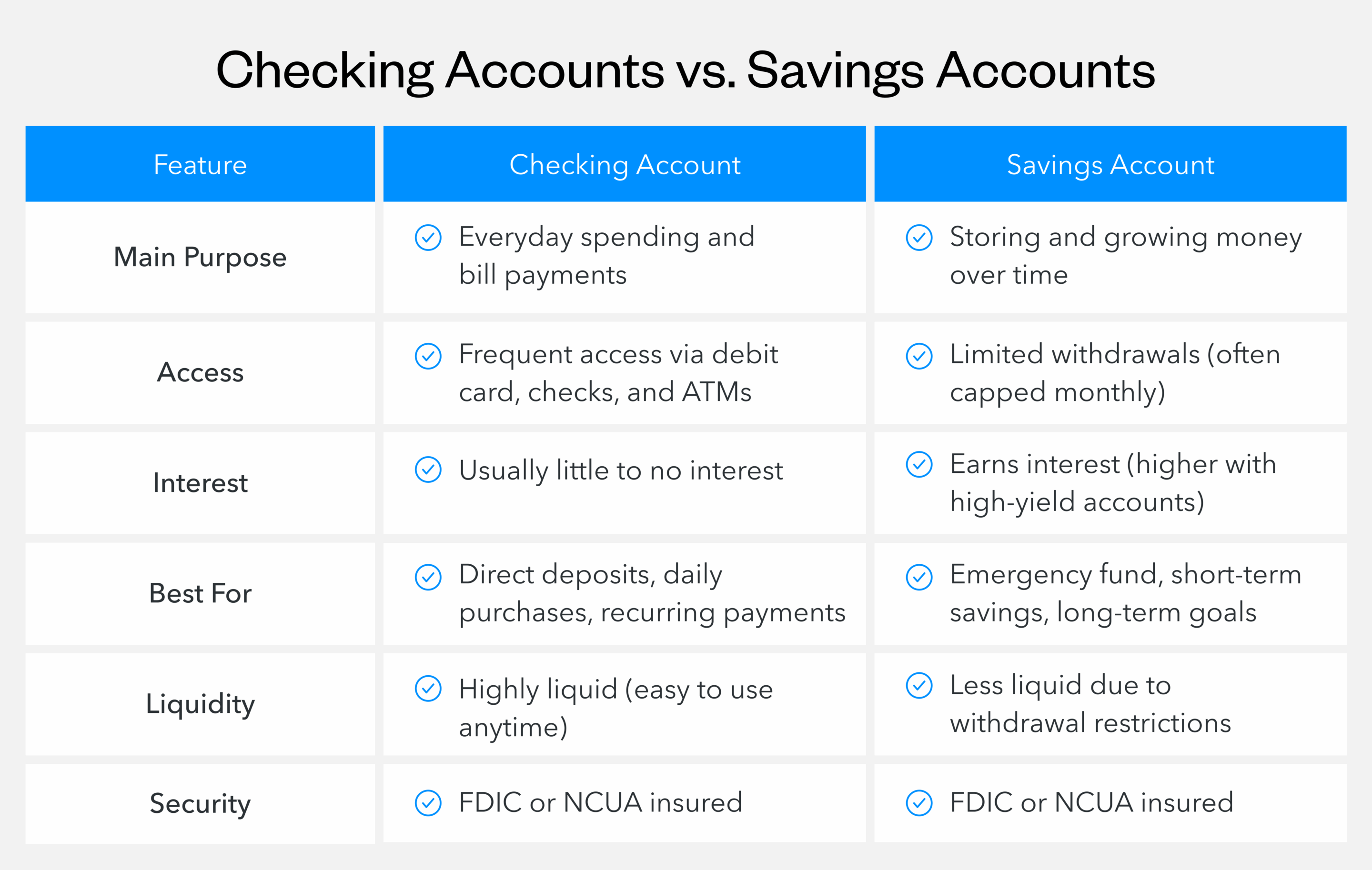
Imagine checking accounts are like your trusty sidekick, always there for your daily needs. They're designed for frequent transactions - think paying bills, buying groceries, or treating yourself to a fancy coffee (hey, we all deserve a treat!).
Here's the deal: checking accounts come with a debit card and checks (yes, people still use those!), making it super easy to spend your hard-earned cash. They also typically have lower interest rates because, well, they're meant for spending, not saving.
Must Read
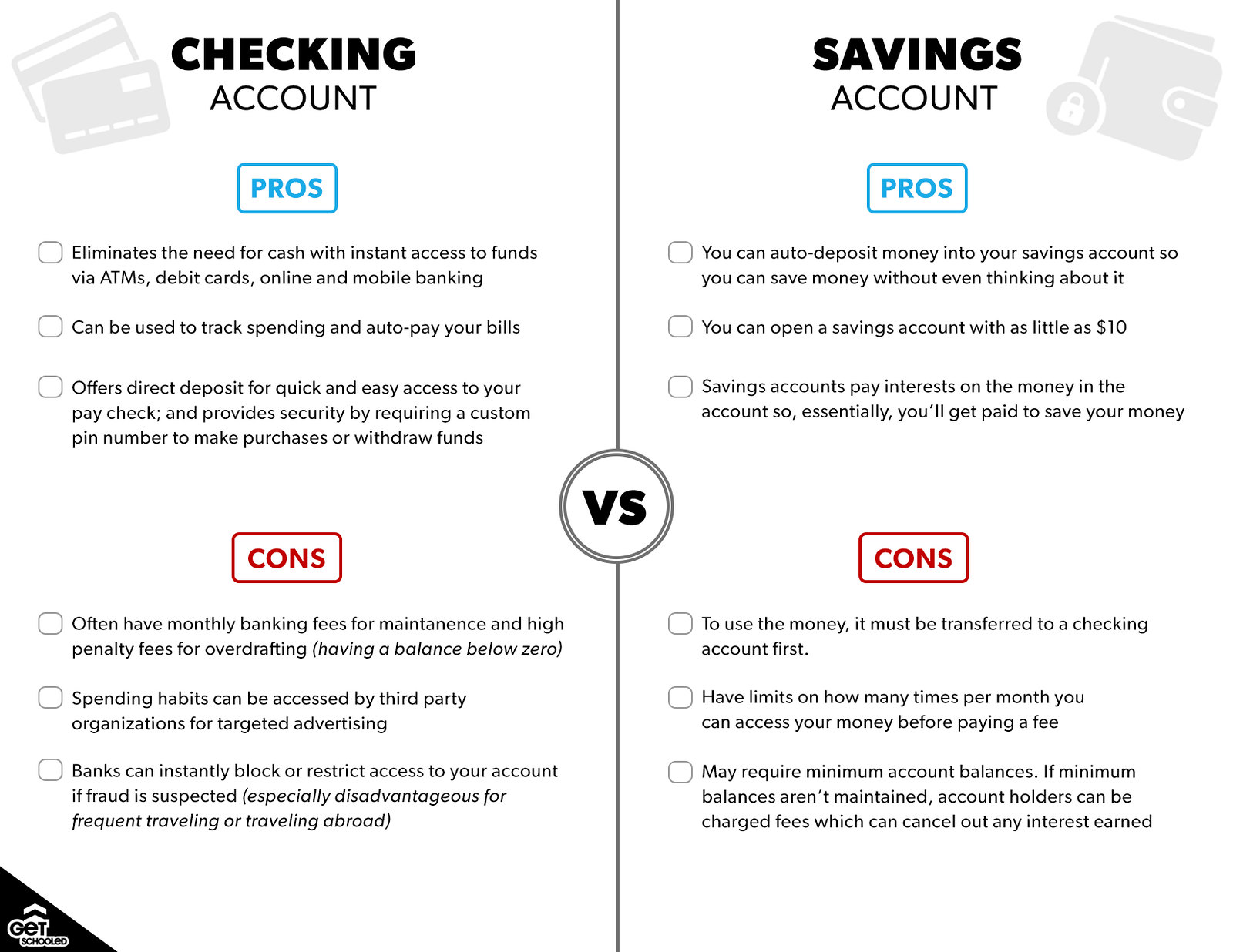
Now, here's where it gets interesting. Some checking accounts have something called an overdraft. That's just a fancy word for when you spend more money than you actually have. Banks usually cover the difference, but they'll charge you a fee for the privilege. So, it's best to keep an eye on your balance to avoid any nasty surprises!
Savings Accounts: The Long-Term Pal
Now, let's talk about savings accounts. These guys are like the friend who's always encouraging you to save for a rainy day (or a sunny vacation, we won't judge!). They're designed for, you guessed it, saving money.
Savings accounts usually come with higher interest rates than checking accounts. That means your money grows over time, just like a little money plant in your kitchen! But unlike checking accounts, you can't usually write checks or make lots of transactions with a savings account. That's to encourage you to keep your hands off your savings, so they can grow nice and strong.
There's also something called a CD, or Certificate of Deposit. It's like a savings account on steroids. You agree to leave your money alone for a set period (usually from a few months to a few years), and in return, you get an even higher interest rate. But if you try to withdraw your money early, you'll pay a penalty. So, it's a bit like making a promise to your future self to save!

So, Why Should You Care?
You might be thinking, "This is all well and good, but why should I care about the difference between checking and savings accounts?" Well, let me tell you, it's all about making your money work for you!
Checking accounts are great for managing your day-to-day expenses, but if you leave all your money in there, you're missing out on the power of interest. That's where savings accounts come in. By moving some of your money into a savings account, you're giving it the chance to grow, so you can reach your financial goals faster.
Plus, understanding the difference between these two accounts can help you avoid fees and make better decisions about your money. And who doesn't want to be a money-savvy superhero?
Let's Make a Plan!
Alright, so you're convinced that understanding checking and savings accounts is a good idea. But where do you start? Here's a simple plan:
1. Assess Your Cash Flow: Look at your income and expenses. How much money do you have coming in, and where does it all go?
2. Separate Your Money: Once you know how much you need for your daily expenses, move the rest into a savings account. It's like giving your money a job - it'll thank you later!
3. Set a Goal: Whether it's a dream vacation, a new car, or a rainy day fund, having a goal will give you the motivation to keep saving.
4. Review and Adjust: Life changes, and so do your financial needs. Make sure to check in with your money regularly and adjust your plan as needed.
And there you have it, folks! You're now a checking and savings account pro. Go forth, manage your money like a boss, and watch it grow. You've got this!